Selection Bias Inflates AI Adoption Lift, Data Science Blog Warns
A new guide argues that opt-in AI features produce misleading lift estimates unless analysts correct for who chooses to use them.
Product teams that roll out AI features with an opt-in toggle are overstating the technology's impact, according to a post published on Towards Data Science. The article, titled "Your AI Adoption Lift Is a Selection Effect," walks through why simple before-and-after comparisons of users who enable a feature are not valid estimates of its causal effect. The core problem is that the people who opt in are often different from those who do not — more engaged, more curious, or already more successful — so any lift they show may reflect who they are rather than what the feature did.
The post lays out the statistical mechanics in plain terms. When assignment to treatment is not random, the difference in outcomes between adopters and non-adopters combines the true effect of the feature with pre-existing differences between the two groups. That second component is the selection effect, and in typical product data it can be large enough to flip the sign of the estimated impact. The author's recommendation is to stop treating opt-in cohorts as a natural experiment and instead apply methods designed for observational data.
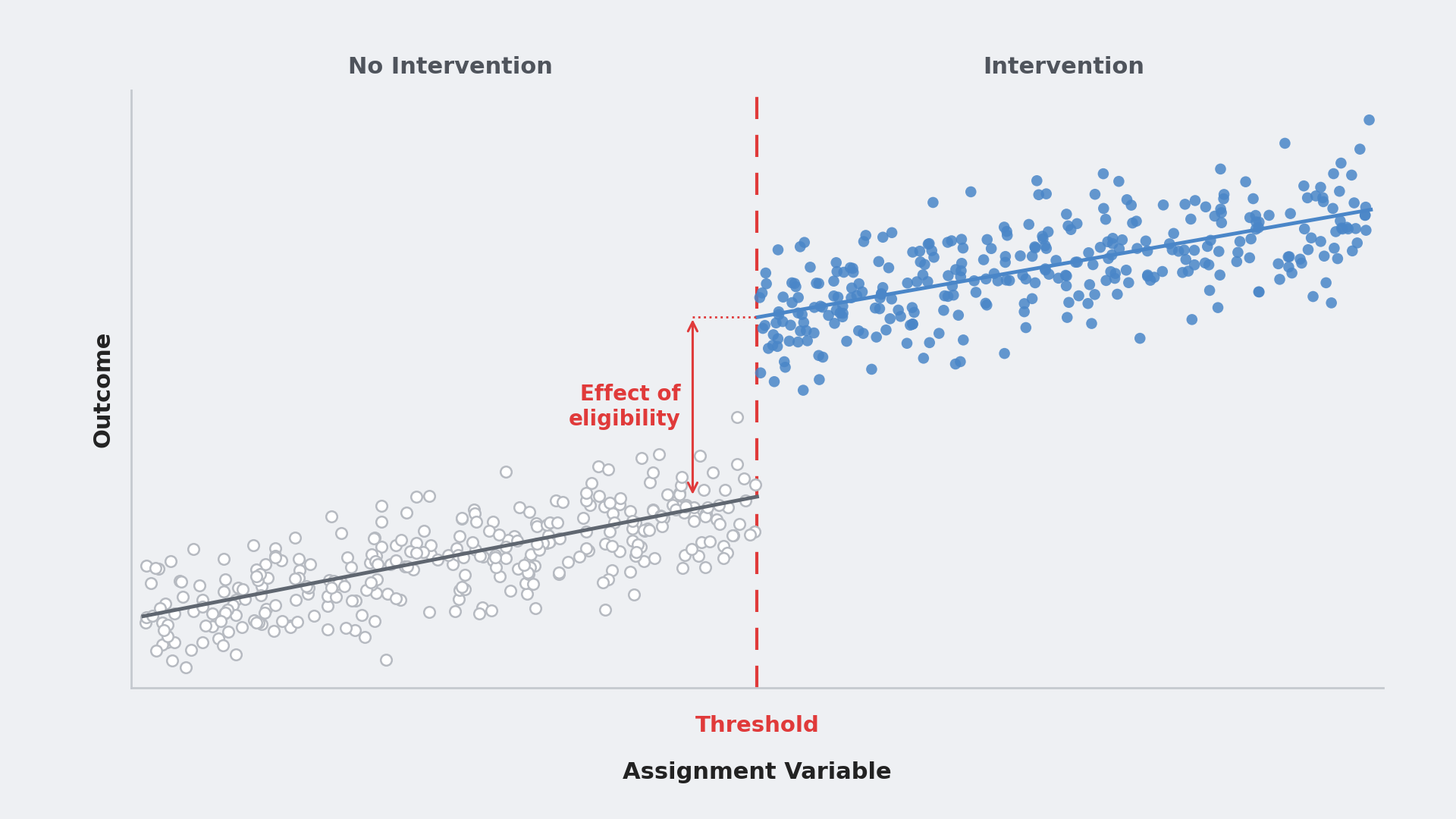
Several techniques get airtime. Propensity score matching, in which each adopter is paired with a similar non-adopter based on observable characteristics, is presented as a first-line fix. Difference-in-differences designs, which compare changes over time between adopters and a comparable control group, are offered as another option when pre-period data exist. The post also mentions instrumental variables and regression discontinuity as heavier tools for cases where a plausible source of quasi-random variation is available. None of these are new to econometrics, but the article's contribution is applying them to the everyday workflow of AI feature launches.
The timing matters because AI features are proliferating across consumer and enterprise software, and many are shipped behind optional settings rather than randomized trials. Teams under pressure to show return on AI investment may be tempted to report the raw adopter-versus-non-adopter gap. The post argues that doing so is not just imprecise but actively misleading, because it attributes to the feature credit that belongs to user self-selection. In fields from recommendation systems to coding assistants, that error can lead to bad decisions about where to invest next.
The article does not claim that opt-in launches are worthless. It argues that they can still yield credible estimates if analysts are explicit about the assumptions behind their correction methods and test how sensitive results are to those assumptions. Sensitivity analysis — checking whether conclusions hold under different matching specifications or unobserved confounder strengths — is presented as a minimum standard. Without it, the reported lift is little more than a correlation dressed up as causation.
What to watch next is whether product analytics teams adopt these corrections as standard practice, or continue to report naive adoption lift because it is easier to compute and more flattering to present. The post stops short of prescribing a single pipeline, leaving open the question of how much rigor is feasible for teams without dedicated causal inference expertise. For now, the burden is on anyone citing an opt-in AI lift to show why selection is not driving the number.