MIT Professor Eric So's New Book Examines How AI Reshapes Human Thinking
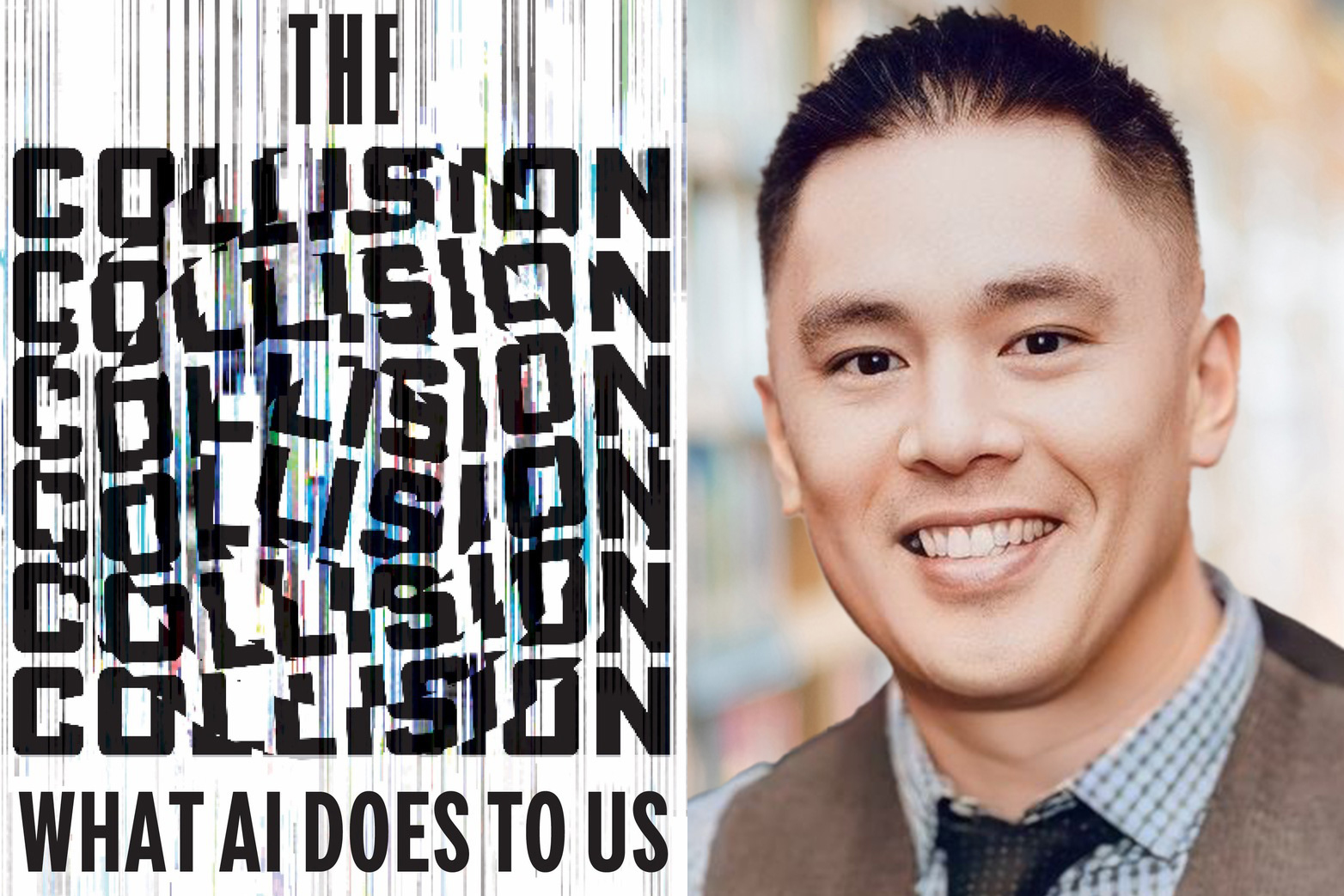
A new book from MIT's Eric So argues that AI's effect on cognition is a societal collision, not just a technical shift.
MIT professor Eric So has published a new book examining what happens to human thinking when AI systems become everyday tools, framing the encounter between machine intelligence and the human brain as a collision rather than a smooth upgrade. The work pulls together research on cognition and technology adoption to ask whether offloading mental tasks to software changes how people reason, remember and decide.
So's central argument is that the effects run in both directions. AI can extend what a person is able to do, but the habits it encourages — quick answers, delegated judgment, constant assistance — can also weaken skills that only develop through practice. That tension is what makes the shift a societal problem and not merely a personal one, since schools, workplaces and public institutions are all adjusting at the same time.
The book arrives as debate over AI and cognition has moved from speculation into measurement. Researchers have spent the past few years running studies on how tools like large language models affect writing, problem-solving and critical thinking, with results that are mixed and often depend on how the tool is used. So's contribution is to connect those findings to a broader account of how societies absorb new cognitive technologies, drawing on earlier transitions such as writing, printing and calculators.
For the AI industry, the questions So raises cut against the usual product pitch. Companies building assistants and copilots market them on the promise of removing effort from knowledge work, yet the same reduction in effort is what critics point to when they warn about skill atrophy. So's framing suggests the design choices behind these systems — how much they explain, when they push back, whether they let users struggle — carry consequences that go beyond user satisfaction metrics.
So is not arguing for rejection of the technology. The book treats AI adoption as inevitable and focuses instead on how individuals and institutions can keep the cognitive benefits while limiting the costs, a position that puts it closer to the reform camp than the doomer camp in current AI discourse. That stance also means the book's practical proposals will draw scrutiny from both sides: those who think the risks are overstated and those who think voluntary guidelines are insufficient.
What to watch next is whether So's arguments translate into concrete policy. Universities are already rewriting assessment rules, employers are issuing guidance on AI use, and regulators are weighing transparency requirements for AI systems. The open question the book leaves is empirical: whether the cognitive effects of AI can be measured well enough, and fast enough, to inform those decisions before the habits set in.