NVIDIA Spotlights Five Clean-Energy Firms Using Its AI at New York Climate Week
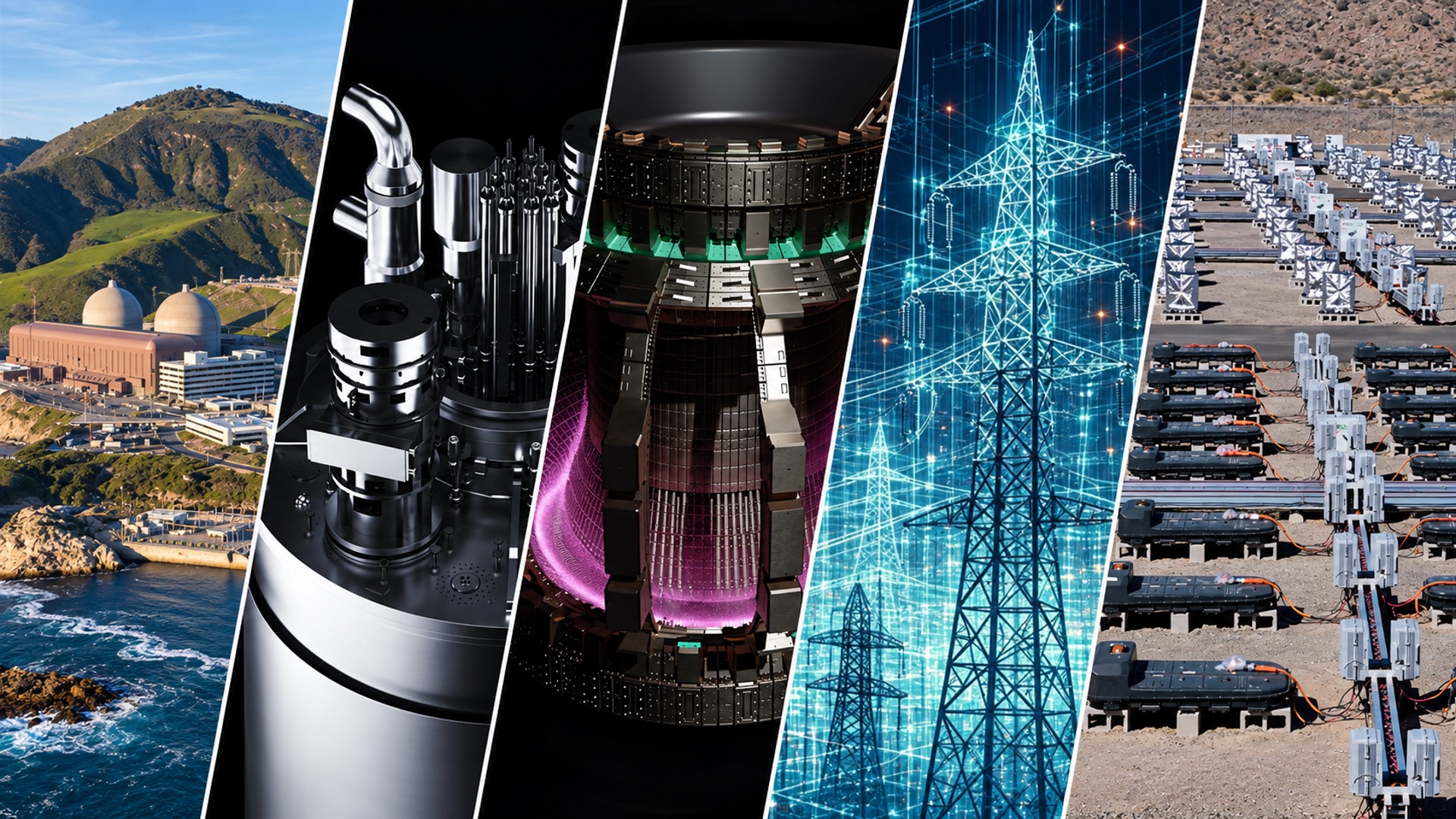
NVIDIA used New York Climate Week to name five companies applying its AI platforms to clean-energy problems, from grid infrastructure to materials discovery.
NVIDIA used New York Climate Week to put five clean-energy companies in the spotlight, each of them building AI into the core of its operations rather than bolting it on as an afterthought. The company did not disclose financial terms or new product launches tied to the group, framing the announcement as a showcase of existing deployments. The timing matters because the sector's long-standing obstacles — aging grid hardware, slow research cycles, and steep upfront capital costs — are exactly the kinds of problems AI vendors now claim they can compress.
The five firms span different corners of the energy transition, though NVIDIA's post did not break out each company's specific results or performance figures. What the post did emphasize is that these are not pilot experiments sitting in a lab; the AI is described as foundational to how each business operates. That distinction is central to NVIDIA's pitch, which increasingly positions its chips and software as general-purpose infrastructure for scientific and industrial workloads, not just language models.
The bottlenecks NVIDIA cites are well documented across the industry. Grid operators have warned for years that transmission and distribution systems built decades ago cannot handle the load growth that data centers, electric vehicles, and electrified heating will bring. On the research side, discovering and validating new battery chemistries or solar materials has traditionally taken years of lab work before anything reaches commercial scale, and the capital required to build first-of-a-kind plants keeps many promising technologies stuck at the demonstration stage.
NVIDIA's own business has been shifting toward these industrial customers as demand for AI compute spreads beyond the largest cloud providers. Energy companies have become a notable slice of that demand, both as buyers of AI systems for their own operations and as suppliers of power to data centers. Climate Week, held annually alongside the UN General Assembly in New York, has become a regular stop for technology firms looking to signal seriousness about decarbonization to investors, policymakers, and corporate buyers.
What remains unclear is how much of this is measurable progress versus marketing. NVIDIA's announcement offered no baseline data, no cost figures, and no independent verification of the emissions or efficiency gains involved. The companies named will need to publish concrete numbers — megawatts avoided, research timelines shortened, dollars saved — before the broader industry can judge whether AI is genuinely accelerating clean energy or simply adding a layer of software to problems that remain fundamentally about capital and policy.