Children's Hospital Taps Open-Source NVIDIA AI to Spot Heart Defects in Kids
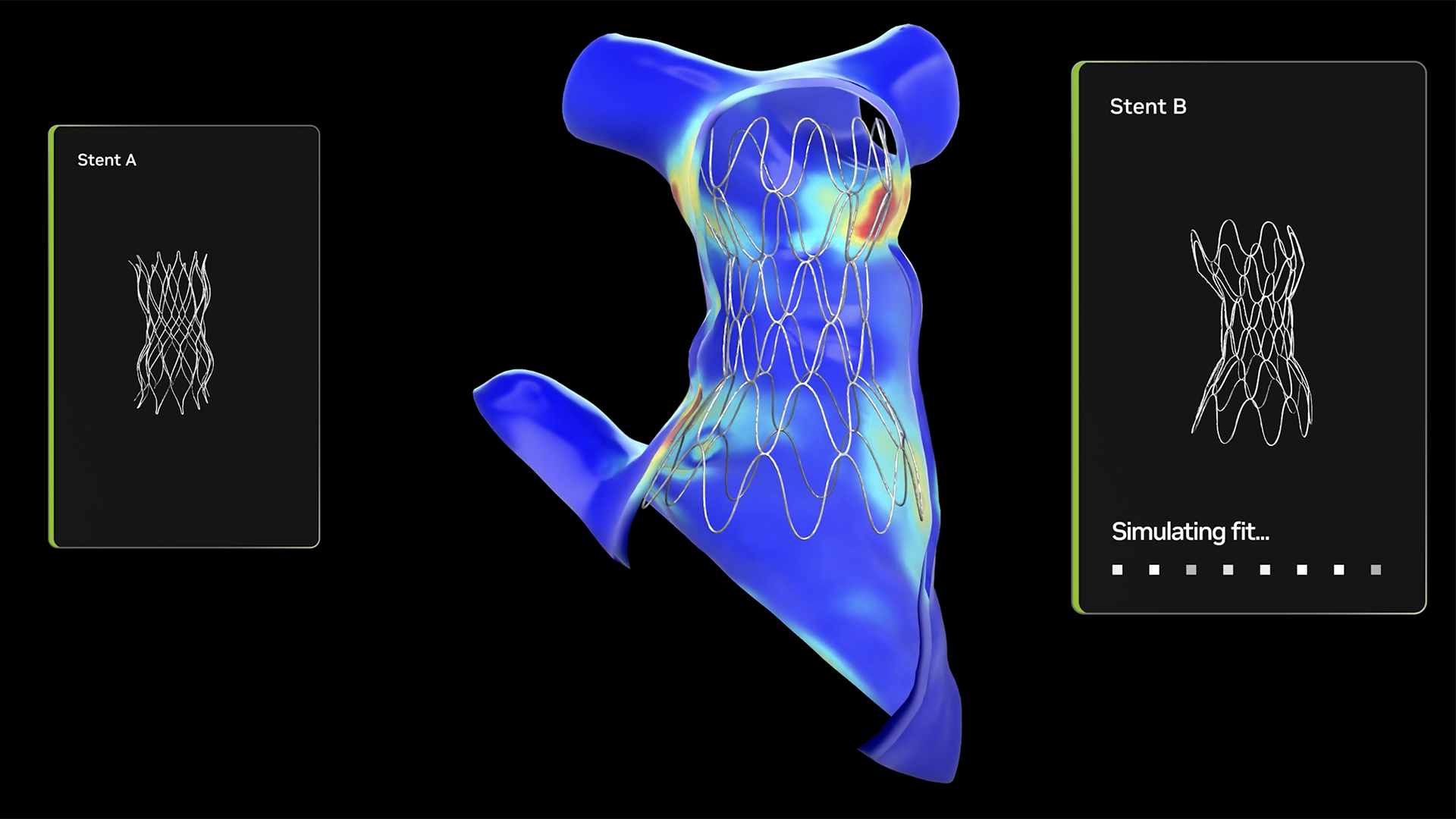
A major pediatric center is using freely available NVIDIA models to read cardiac images, aiming to catch congenital heart disease earlier and cut diagnosis times.
A leading children's hospital has begun using open-source NVIDIA AI to help diagnose heart conditions in young patients, according to a report from the NVIDIA Blog. The project focuses on cardiac imaging, where specialists must spot structural defects that are often subtle and time-sensitive. The hospital's move signals that open-source medical AI is moving from research papers into day-to-day pediatric care.
Congenital heart disease remains the most common birth defect, affecting roughly 1 in 100 newborns worldwide, according to the Centers for Disease Control and Prevention. Early detection matters because some defects require surgery within days of birth, while others can be managed if caught in time. Reading pediatric echocardiograms is slow work: a single study can contain hundreds of frames, and the number of trained pediatric cardiologists is limited.
Open-source NVIDIA AI models give the hospital a way to build diagnostic support without paying for a proprietary black box. The hospital can inspect, retrain, and adapt the models to its own patient population, which matters when the data includes rare anatomies and children of different ages. NVIDIA has pushed this approach through its MONAI framework, a set of open medical imaging tools used by hospitals and researchers. The company has also released models and reference pipelines designed to run on its GPUs, either in the hospital's own data center or in the cloud.
The hospital has not disclosed which specific NVIDIA models it uses or how many patients have been involved. NVIDIA's blog post frames the work as a case study in how open-source AI can support clinical teams rather than replace them. That framing matters: regulators, including the U.S. Food and Drug Administration, have cleared a growing number of AI-based cardiac tools, but most are narrow and require physician oversight. A pediatric hospital adopting open-source models adds a new test case for how far that oversight can stretch.
For the broader medical AI field, the pediatric angle is the harder problem. Adult cardiac datasets are large and relatively uniform; children's hearts vary widely with age, size, and congenital anatomy. A model that performs well on adults can fail on a newborn. If the hospital can show that open-source models handle that variability, it would give other children's hospitals a template. It would also strengthen the argument that medical AI should be inspectable, not locked behind a vendor license.
What to watch next is whether the hospital publishes outcomes — diagnostic accuracy, time saved, or missed cases — rather than just describing the setup. Peer-reviewed results would carry more weight than a vendor blog post. The open question is whether open-source models can match the reliability of FDA-cleared commercial tools in the pediatric setting. Until that evidence arrives, this remains a promising pilot, not a proven standard of care.