Astral Codex Ten's 'Our AI Midwife' Draws 61-Point Hacker News Thread on AI in Childbirth
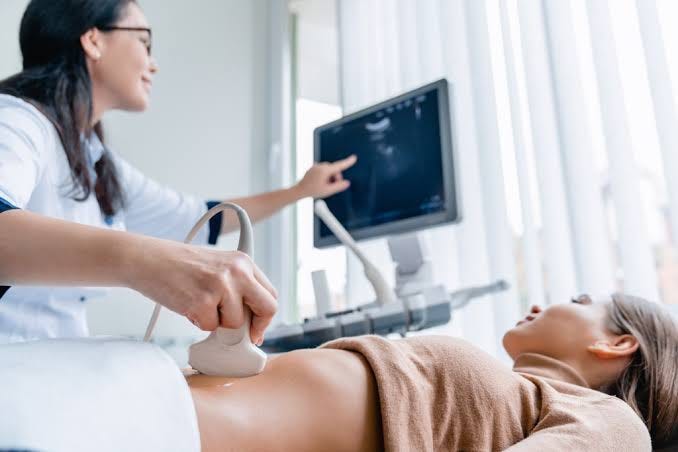
A first-person essay about using AI during pregnancy and delivery sparked 53 comments on Hacker News, raising questions about where large language models fit in clinical care.
Astral Codex Ten published an essay titled "Our AI Midwife" that landed on Hacker News this week, collecting 61 points and 53 comments as readers debated how far AI should go in guiding a pregnancy. The piece, written from personal experience, describes turning to an AI system for information and reassurance through the arc of prenatal care and delivery. It arrives as general-purpose chatbots are being pulled into medical decisions by patients themselves, often ahead of any formal clinical guidance.
The Hacker News thread split along familiar lines. Some commenters traded notes on which models gave accurate answers about fetal development, contractions, and when to call a doctor, while others argued that an AI cannot examine a patient, read a fetal heart trace, or notice a shoulder dystocia forming. A recurring point in the discussion: the stakes of a wrong answer in obstetrics are measured in minutes, not clicks. Several readers said the essay's value was less about the tool than about how it changed the writer's confidence going into appointments.
That confidence gap is where the real tension sits. Obstetric care already runs on a schedule of scheduled visits, and patients spend most of a pregnancy outside a clinic, with questions arriving at 2 a.m. Search engines have absorbed some of that load for two decades, and chatbot answers are the next step in the same direction. The essay's account of using a model as a sounding board is not exotic; it is what millions of people already do, with or without a study telling them it works.
The evidence base has not caught up. There is no large trial showing that AI-guided prenatal advice improves outcomes, and there is no cleared regulatory pathway for a consumer chatbot to function as a midwife in any legal sense. Midwives in the United States are licensed professionals who carry liability, order tests, and can be sued; a language model does none of those things. The gap between what patients do and what the system is built to support is the part of this story that outlasts the comment thread.
What to watch is whether the attention turns into anything measurable. Researchers have started testing models on obstetric triage questions, and a handful of health systems are piloting chatbots for low-risk pregnancy questions with clinician backup. If those pilots report outcomes, the debate moves from anecdote to data. Until then, the honest read is that "Our AI Midwife" describes one person's experience, and the 53 comments underneath describe everyone else's uncertainty about it.