Anthropic Says Claude Can Track Nine Nested Loops, a Benchmark for Long-Horizon Reasoning
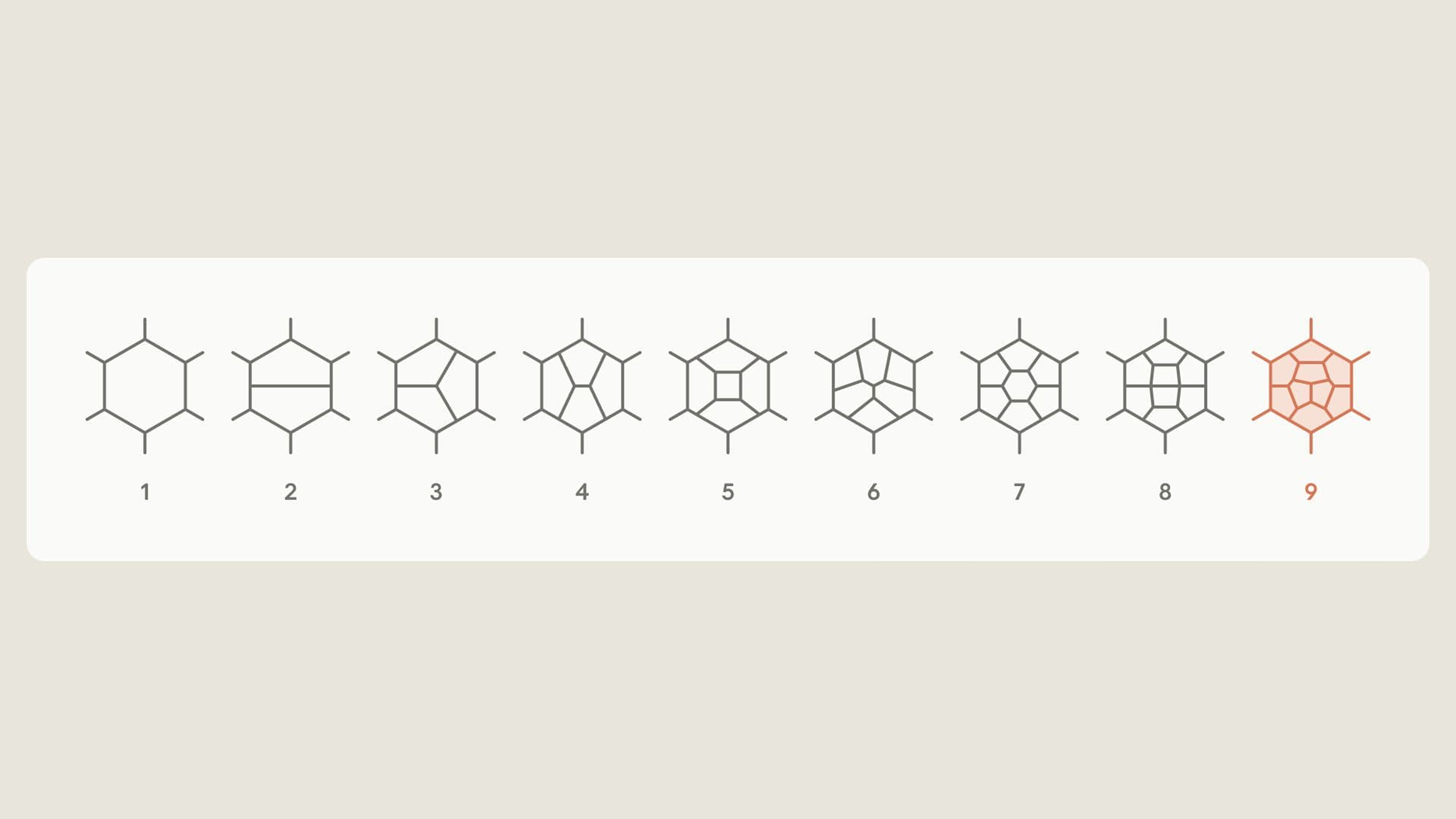
Anthropic's new research post says Claude can trace code through nine nested loops, but the evaluation details behind the claim remain undisclosed.
Anthropic says its Claude model can follow execution through nine layers of nesting in a single piece of code, a claim the company published this week under the blunt title "Yes, Claude can do nine loops." The post, which appeared on Anthropic's research page, treats the feat as evidence that the model sustains coherent reasoning across long chains of dependent steps rather than guessing at answers from surface patterns. Developers quickly turned to the discussion thread attached to the link to argue over how much the demonstration actually establishes.
The test is a familiar one in computer science education for a reason. Every additional loop level multiplies the number of intermediate states a reader has to hold simultaneously, so tracking nine of them looks less like recognizing code that resembles training data and more like simulating the machine step by step. Anthropic frames that capacity as long-horizon reasoning: staying on track through dozens of sequential operations instead of emitting something plausible in the first few tokens.
Scrutiny centered on how the evaluation was built. Commenters asked whether the loop bodies were short and free of side effects, whether Claude received scratchpad space to write out intermediate values, and how the exercise differs from the arithmetic and logic puzzles models already solve reliably. A model allowed to externalize its work is not solving the same problem as one forced to carry all nine nesting levels internally, and Anthropic's post does not appear to spell out which setup was used.
The timing tracks a wider change in how AI labs describe what their models can do. Coding agents have shifted over the past year from completing single files to running multi-step jobs that last minutes or hours, and vendors now emphasize endurance and dependability over one-off benchmark numbers. A nine-loop puzzle is a compact, readable stand-in for that pitch: a model that can follow deep nesting may also survive a long debugging session on a real dependency chain.
What the result leaves open is whether the skill transfers. Nine clean loops in a controlled prompt differ substantially from a legacy codebase where loop bounds come from runtime data, callbacks arrive out of order, and the fault lives in the interaction between two functions far apart in the file. Anthropic has not said whether it will publish the evaluation harness for others to replicate, and independent replication is the piece that would turn a striking demo into a measurable capability.
The company has not named a model version or a release date tied to the finding, and the post reads as capability research rather than a product announcement. For now the claim rests on Anthropic's own description of the test. Until outside groups can run the same evaluation, the honest answer to what nine loops prove is that it depends entirely on the loops.