Unsealed Filings: Microsoft Called AI Data Scraping 'The Largest Theft of Labor in Human History'
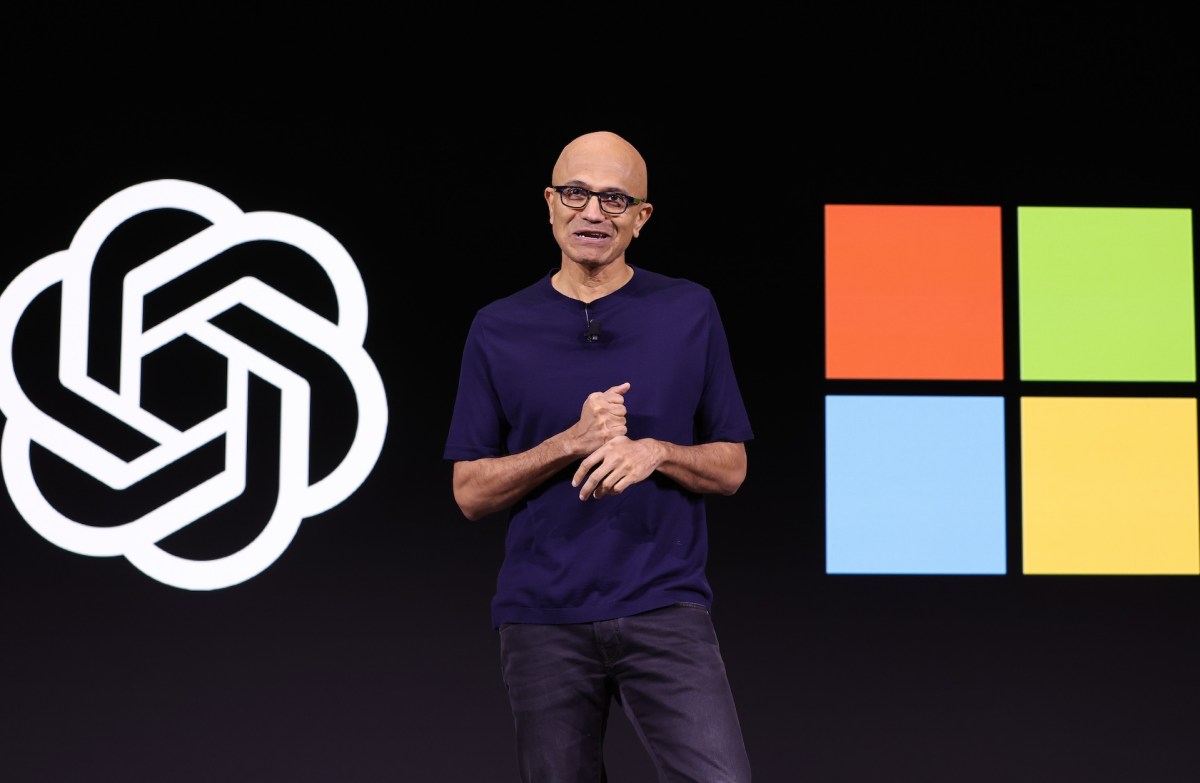
Court documents unsealed in a publishing lawsuit show Microsoft executives privately condemned the scraping of paywalled news content as theft while the company and OpenAI built training datasets from it.
Newly unsealed court filings in a lawsuit brought by news publishers show that Microsoft executives described the mass scraping of copyrighted content for AI training as "the largest theft of labor in human history," even as the company helped build datasets drawn from paywalled New York Times articles. The documents, reported by TechCrunch, pull back the curtain on what Microsoft and OpenAI said to each other behind closed doors while publicly defending their data practices.
The filings indicate that both companies gathered Times content that sat behind a paywall, folded it into training corpora, and circulated internal warnings that doing so would hollow out publishers' businesses. The gap between the private language and the public posture is the story: the same executives who flagged the practice as theft kept the pipelines running, according to the records.
The material surfaced in litigation over how AI developers obtain the text, images and other work that train large models. Publishers have argued for years that scraping paywalled journalism without a license strips them of subscription and ad revenue, and the unsealed documents give that argument an unusual piece of evidence — the defendants' own words. Microsoft and OpenAI have not commented on the specific characterizations in the records.
The disclosure lands as courts and regulators weigh whether training on copyrighted material falls under fair use. The Times sued OpenAI and Microsoft in late 2023 over exactly this issue, and the case has become a bellwether for how the industry's data supply chain will be governed. Internal documents that label the practice theft could complicate the fair-use defense, since intent and awareness of harm are often central to how judges assess such claims.
For the wider AI field, the filings sharpen a question that has been building since ChatGPT's launch: whether model builders can keep training on the open web while telling publishers, artists and coders that the arrangement is fair. Microsoft and OpenAI are not alone — Google, Meta and Anthropic have all faced similar suits — but the two companies are the most exposed because of their partnership and the scale of their scraping.
What happens next turns on how the court treats these records and whether they push the parties toward licensing deals rather than litigation. Watch for further unsealing, any response from Microsoft or OpenAI on the quoted language, and whether publishers use the documents to widen their claims. The open question is simple: if the companies called it theft internally, what did they think they were buying with all that text?