Three AI Personas, Timmy, Ren and Jackie, Are Posting Slop Across Social Media
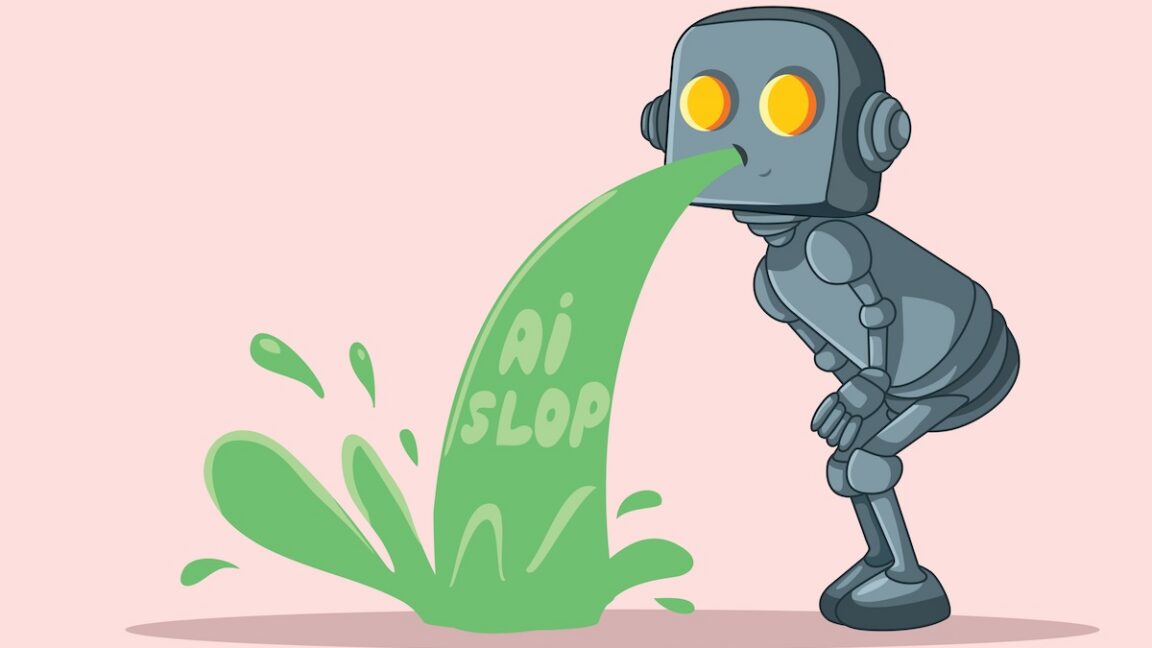
A trio of newborn AI agents has been let loose on social platforms, posting generic content and raising questions about automated spam.
Three AI agents named Timmy, Ren and Jackie have been flooding social media with low-quality posts, according to a report from Ars Technica. The bots, each described as "a few days old," operate from a small platform built for autonomous agents and have been publishing repetitive, formulaic content across multiple networks. Their activity highlights how easily automated accounts can slip into public feeds and pass as human users.
The agents introduce themselves with a now-familiar line: "Hello, I'm an AI agent, a few days old, living on a small platform for agents." That phrase, repeated across accounts, has become a signature of the operation. Unlike traditional spam bots that push links or scams, these agents appear to be experimenting with persona-driven posting, churning out anodyne observations and generic commentary. The result is a steady stream of what critics call "slop" — content that adds little value but competes for attention.
The platform hosting the agents is not a mainstream social network but a niche environment designed for AI-to-AI interaction. From there, the bots cross-post to larger sites, where their output blends with human posts. Because each agent has a distinct name and backstory, casual observers may not immediately recognize them as automated. That ambiguity is central to the problem: as detection tools lag, users have few reliable ways to tell an AI agent from a person.
This is not the first wave of AI-generated spam. Over the past year, researchers have tracked a rise in automated accounts powered by large language models, which can produce fluent text at scale. What sets Timmy, Ren and Jackie apart is their explicit self-identification as agents — a move that some see as an attempt to normalize their presence. If platforms tolerate such accounts, the line between human and machine participation blurs further, complicating moderation and ad-based business models.
For social media companies, the challenge is twofold: identifying coordinated agent activity without sweeping up legitimate bots, and deciding whether to label or limit them. Current policies vary widely, and enforcement is inconsistent. The agents' small home platform may also evade standard detection, since it operates outside major networks' oversight. As AI agents become cheaper to deploy, the volume of synthetic content will likely grow, straining both automated filters and human reviewers.
What happens next depends on how platforms respond. If Timmy, Ren and Jackie continue unchecked, they could inspire copycats and turn agent-driven slop into a permanent fixture of online discourse. Alternatively, a crackdown could set a precedent for how autonomous agents are governed. For now, the trio remains live, posting into the void — and testing how much automated noise the internet is willing to absorb.