Tavus Debuts Real-Time AI Video Avatar That Listens and Responds Mid-Conversation
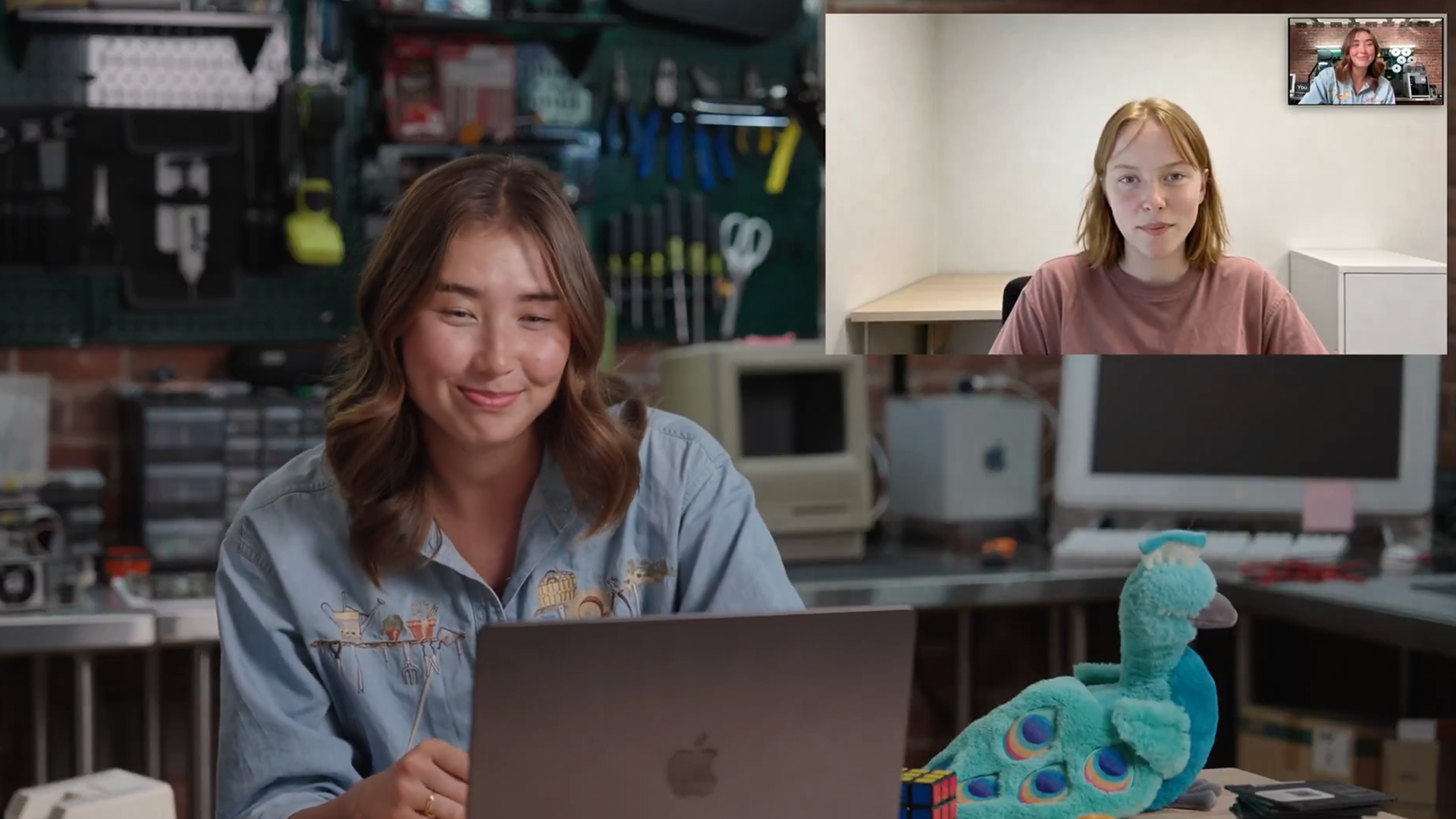
Tavus has unveiled an AI video system that watches, hears, and answers users live, pushing conversational avatars past scripted playback into two-way interaction.
Tavus introduced an AI video system designed to see and hear a user while holding up its end of a live conversation, the company's latest move to make synthetic presenters respond in real time rather than replay canned clips. The launch matters because most avatar tools still run on one-way playback: a user picks a message, the face delivers it, and the exchange ends there. Tavus is betting that adding perception and turn-taking turns avatars from marketing props into something closer to an interface.
The technical gap Tavus is attacking is latency. A conversational avatar has to capture audio and visual cues, interpret them, generate a reply, and render a matching face and voice fast enough that the pause does not break the illusion of talking to a person. That pipeline has to hold together across varying accents, lighting, and network conditions. Getting the pieces to run in sequence is straightforward on a demo laptop; keeping them synchronized over a consumer connection is the hard part.
Tavus is not alone in chasing this. HeyGen, Synthesia, and a cluster of startups have spent the past two years pushing avatar quality upward, and the major model providers have steadily lowered the cost of real-time speech and vision. What separates a live conversational system from a polished video generator is that the model must react to what it just saw and heard, not merely produce a plausible clip. That requirement pulls in speech recognition, vision, language modeling, and rendering, all under a latency budget measured in fractions of a second.
The timing is awkward in one respect. As these systems grow more responsive, the line between a recorded person and a generated one gets harder to spot, and regulators in the EU and US are already asking how users will know what they are watching. Tavus and its competitors will need to ship disclosure features alongside the realism. For enterprises weighing deployment, the practical questions are integration cost, how the system handles an unexpected question, and whether it can run at scale without a dedicated engineering team.
Also circulating in the same news cycle: a debate over whether ChatGPT's "Dots" feature justifies a Pro subscription. That is a separate question from Tavus' launch, but both point at the same pressure on AI products to prove that a paid tier delivers something a free one cannot. Tavus has shown the capability; the next test is whether developers build on it and whether the latency holds up outside a controlled demo.
What to watch next is whether Tavus publishes independent latency and accuracy figures, and whether it names design partners willing to run the system in front of real customers. Until those details surface, the live-avatar pitch remains a strong demo with an unproven production story. The company's next disclosure should answer whether this is a product or a proof of concept.