Ron Johnson, the Architect of Apple's Retail Stores, Says AI Can't Replace Store Staff
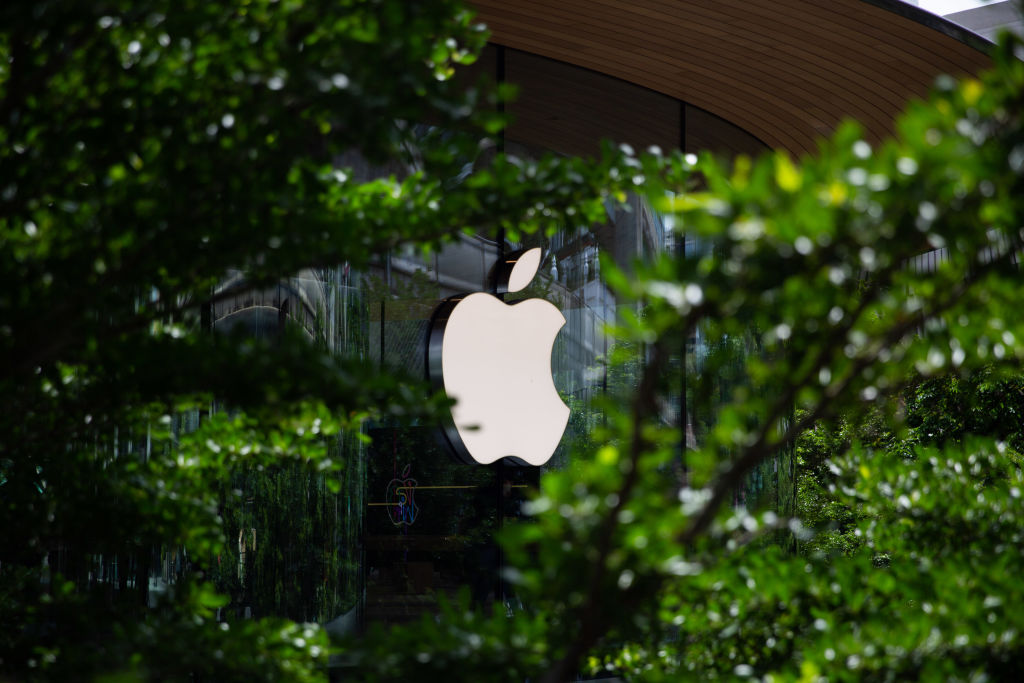
The executive who designed the Apple Store says the company's retail advantage has always come from its employees, not its technology.
Ron Johnson, the retail executive who designed Apple's first stores, is pushing back on the industry's rush to put AI at the center of the shopping experience. His argument is simple: Apple's retail success came from the people on the floor, not the gadgets on the shelves, and no model trained on transaction data can replicate what a good salesperson does in the moment.
Johnson ran Apple's retail division from 2000 to 2011, a stretch when the company grew from a handful of locations to more than 300 stores worldwide. He later served as CEO of J.C. Penney, where a pricing overhaul he led collapsed within about 18 months and cost him his job in 2013. That failure has made him a frequent reference point in debates about whether retail instincts from one company transfer to another, and it colors how the industry reads his skepticism now.
His core claim rests on the hiring and training model he built at Apple, where staff were coached to diagnose a customer's problem before pitching a product. That approach produced metrics the company has long cited: Apple stores generate among the highest sales per square foot in retail, and the Genius Bar became a template copied by competitors from Microsoft to Samsung. Johnson's point is that those results came from judgment, not from software that recommends the next item.
The timing of his comments matters because AI shopping tools are moving from experiments to standard deployments. Retailers are testing chatbots that answer product questions, systems that predict what a shopper wants before they ask, and checkout setups that remove cashiers entirely. Amazon, Walmart and a long list of smaller chains have all put money behind these programs, and vendors pitch them as a way to cut labor costs while improving conversion.
Johnson's counterargument is that the savings are overstated and the damage is hard to reverse. A customer who gets a wrong answer from a chatbot may not complain, they simply leave, and the store never learns why. Human staff, he argues, catch those signals in real time and adjust, which is why Apple has kept its floor headcount high even as other chains trimmed theirs.
What the industry does next will depend on whether AI tools can show measurable gains in repeat visits and basket size, not just in headcount reduction. If they can, Johnson's view will look like nostalgia from a retail era that has passed. If they cannot, his warning may end up shaping how the next generation of stores is designed.