OpenAI Pushes Always-On Agents as ChatGPT Dot Opens to Users
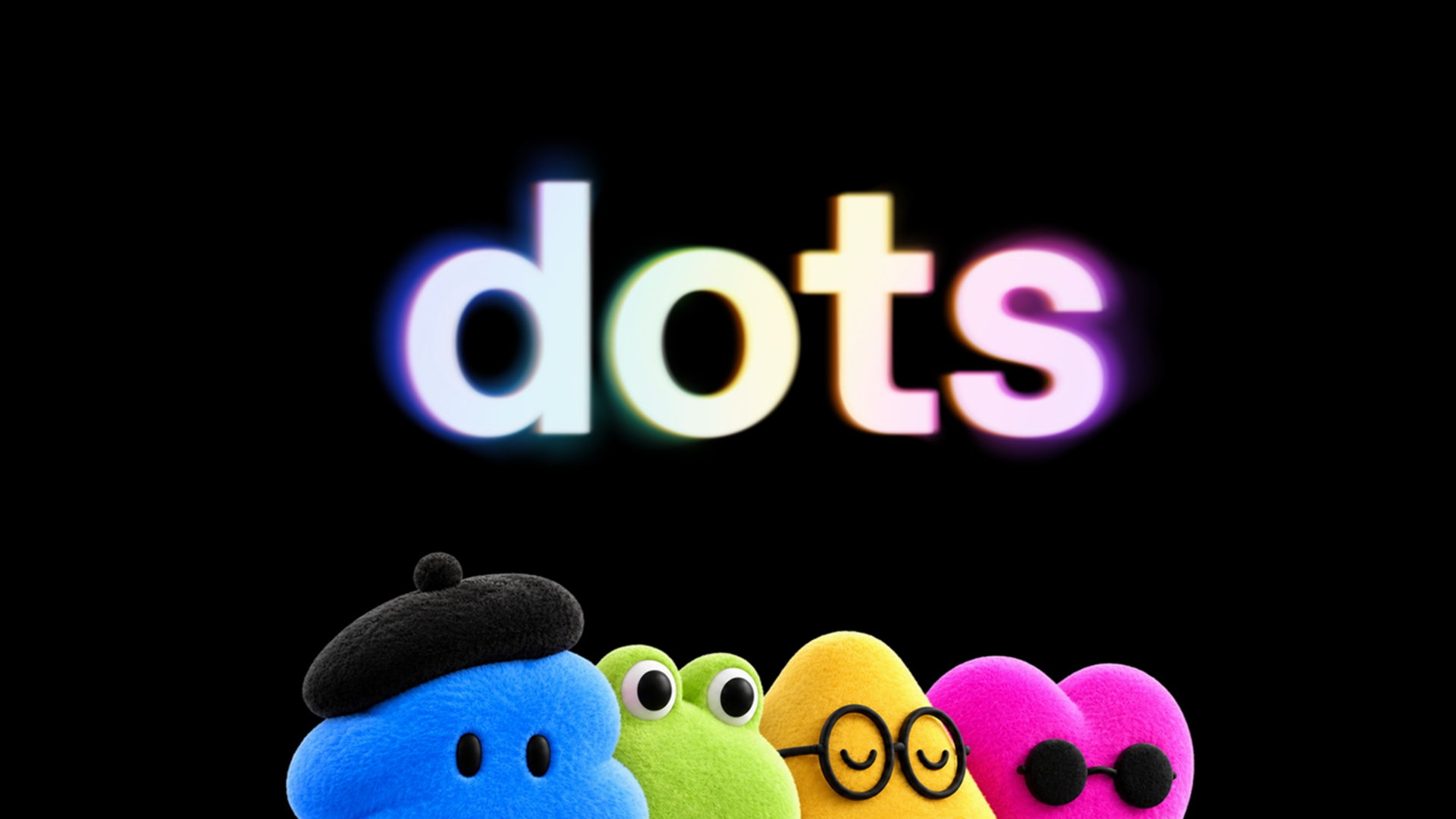
OpenAI is tying its newest ChatGPT agent product to a broader bet that AI assistants should run continuously rather than wait for prompts.
OpenAI is making its case for agents that stay running in the background, pairing that pitch with the rollout of a new ChatGPT agent product called ChatGPT dot. The company framed the launch as an on-ramp for users who have not yet tried agent-style tools, according to a briefing covered by The Rundown AI. The move puts OpenAI's consumer packaging directly behind a technical argument: assistants that act on their own schedule, not just when asked, are the next step for the category.
Always-on agents differ from the chat window most people know. Instead of answering a single prompt and stopping, they hold context across sessions, watch for triggers, and take multi-step actions such as drafting messages, checking data, or completing a task in another app. That shift raises the value of memory, permissions, and reliability, because a system that runs unattended has more chances to fail quietly or act on stale information. OpenAI's messaging around ChatGPT dot appears aimed at getting ordinary users comfortable with that model before competitors do.
The timing matters. Google, Anthropic, Microsoft, and a cluster of startups have all shipped agent features over the past year, and the differentiator is increasingly distribution rather than raw model quality. OpenAI has the largest consumer base of the group, which means a single onboarding flow can push agent habits to a far wider audience than a developer API ever could. The company has also been building out the pieces agents need, including connectors to third-party services and longer-running task execution.
For developers, an always-on default changes what they have to design for. Agent products need clear consent screens, spending limits, audit trails, and a way for users to see what the system did while they were away. Those requirements are less about model capability and more about product trust, and they are the part most early agent tools have handled poorly. If OpenAI normalizes the always-on pattern, expect those controls to become table stakes across the field rather than optional features.
The open question is whether users actually want an assistant that acts without being asked. Early agent launches have drawn complaints about unwanted actions, unclear failures, and difficulty undoing mistakes, and none of that disappears just because the interface is simpler. OpenAI's next few months will show whether ChatGPT dot converts curiosity into daily use, and whether the always-on pitch holds up once real tasks, real money, and real mistakes are involved.