OpenAI Alum Who Helped Build ChatGPT Launches New AI Company
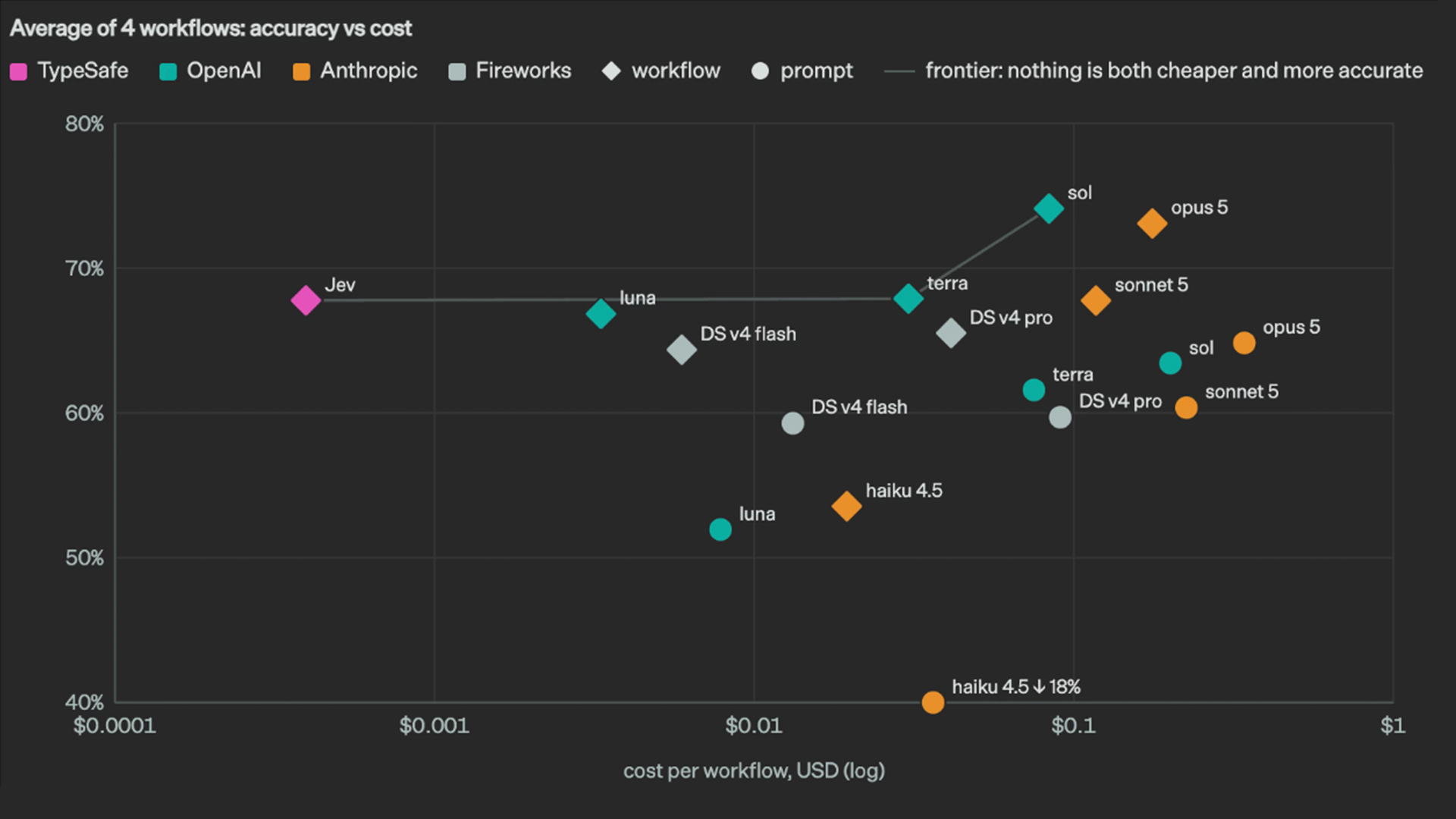
A founding member of the ChatGPT team has left to start a new venture, signaling fresh competition in the race to build the next generation of AI systems.
A co-creator of ChatGPT has launched a new AI company, according to a report from The Rundown AI, marking the latest high-profile departure from OpenAI's founding circle. The move places another experienced builder at the center of an increasingly crowded field of startups chasing foundation-model breakthroughs. Details on the new venture's funding, backers, and technical direction remain limited, but the launch alone is enough to draw attention given the founder's role in shipping one of the most widely used AI products in history.
The departure fits a broader pattern that has defined the past two years of the AI industry. Researchers and engineers who built the core systems at OpenAI, Google DeepMind, and Anthropic have been steadily peeling off to start their own labs, often with nine-figure seed rounds and no product to show. The logic is straightforward: talent that understands how to train and deploy large models is scarce, and investors have shown they will fund proven operators before they write a single line of code.
What makes this launch notable is the pedigree. ChatGPT did not emerge from a single breakthrough but from a stack of engineering and research decisions made by a small group, and anyone who was in that room carries institutional knowledge that is hard to replicate. A new company founded by one of those people starts with an implicit advantage in recruiting, since early hires tend to follow the people they respect rather than the ideas on a pitch deck. That dynamic has already played out at several competing labs.
The timing lands in a week when developer tooling is also moving fast. Separate items in the same briefing covered how to extend Codex and Claude Code with additional models, a reminder that the practical layer of AI work, wiring models into coding assistants and agent workflows, is where a lot of near-term value is being captured. A new lab entering that space would face incumbents with distribution already in place, which raises the question of whether it targets a frontier model, a specialized system, or something else entirely.
For now, the open questions outnumber the answers. What the company will build, who is funding it, and whether it competes directly with OpenAI or sells into a different layer of the stack are all unresolved. Watch for a formal announcement, a founding team list, and any early technical posts, since those will reveal whether this is another frontier-model bet or a narrower play. The AI talent market has shown it rewards speed, and the next few weeks should make the direction clear.