NVIDIA's Vera Rubin NVL72 Tops MLPerf Inference v6.1 in First Outing
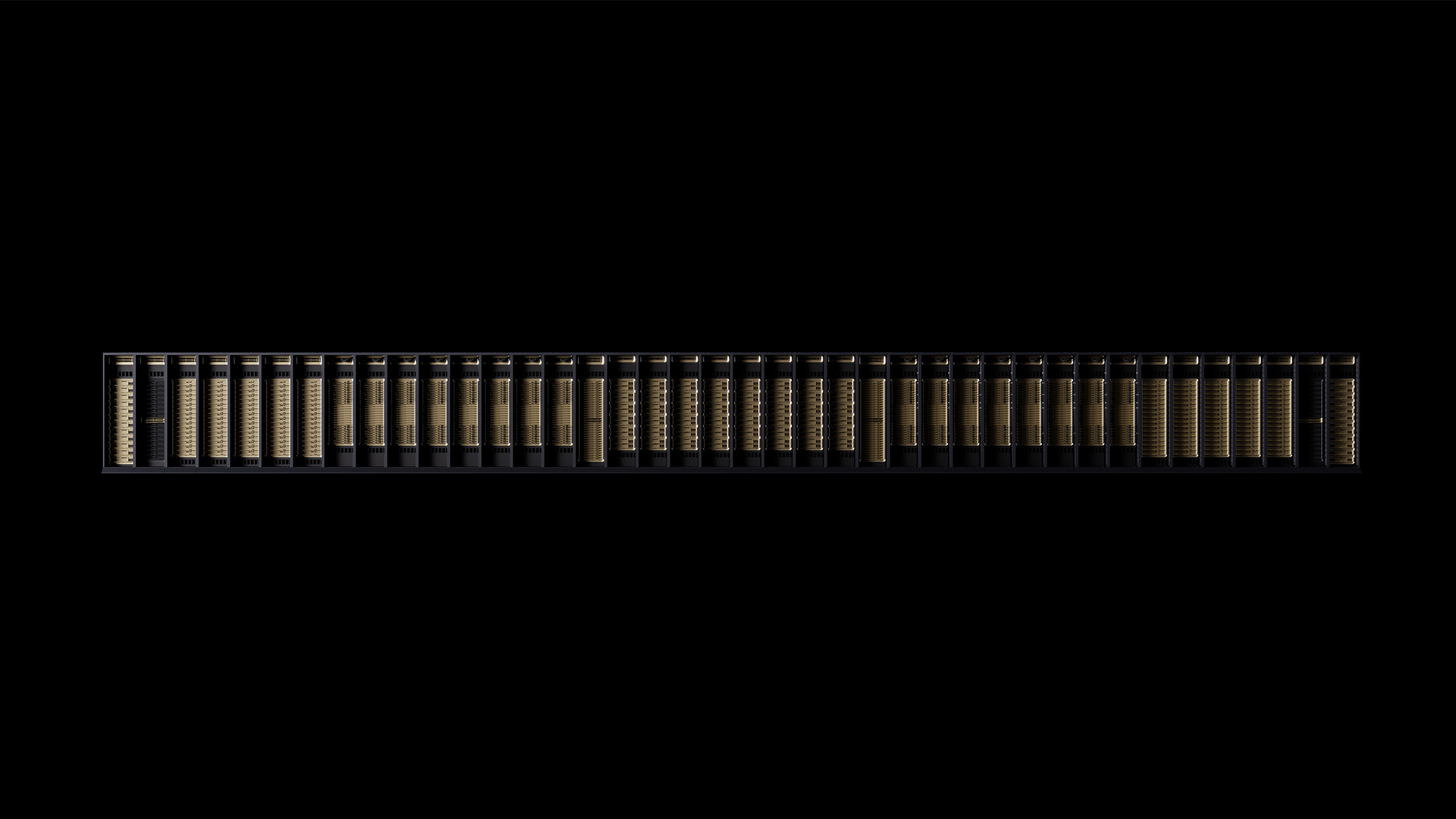
NVIDIA's new Vera Rubin NVL72 rack-scale system posted the highest scores in its first MLPerf Inference v6.1 appearance, with the company framing token throughput, scaling efficiency and software tuning as the three…
NVIDIA's Vera Rubin NVL72 took the top spot in its debut round of MLPerf Inference v6.1, the benchmark suite that measures how fast servers can serve trained models rather than how quickly they can train them. The rack-scale system led the field across the workloads it entered, according to results NVIDIA published on its blog. It is the first MLPerf appearance for the Vera Rubin generation, which follows the Blackwell-based GB200 and GB300 systems that have anchored NVIDIA's data-center lineup.
The result matters because inference, not training, is where most AI compute is now heading. Every token a model generates costs power and hardware time, and every token can be billed. Vendors and cloud operators use MLPerf Inference scores to decide what to buy and how to price capacity, so a leading number from the newest rack translates fairly directly into a sales argument. NVIDIA has used prior MLPerf cycles the same way, releasing results alongside claims about cost per token and energy per query.
NVIDIA's own framing of the launch leans on three variables. The first is raw system performance, where more tokens per second per rack means more billable output from the same footprint. The second is scaling behavior: adding hardware should raise throughput roughly in proportion, so a buyer serving a fixed user base needs fewer machines to hit a target. The third is software, where continuing driver, kernel and runtime work squeezes more useful work out of hardware already paid for. None of those three is a one-time result; they compound or decay over a deployment's life.
The v6.1 round itself is a moving target. MLPerf Inference results are only comparable within a given version, because the task list, model versions and accuracy constraints change between releases. A top score in v6.1 does not automatically translate into a lead on v6.0 numbers, and competitors typically submit in the same round with their own optimized stacks. That makes the debut notable mainly as a first data point for the Vera Rubin platform rather than a settled ranking.
What NVIDIA has not yet detailed publicly is the full submission record: which specific models and scenarios the NVL72 entered, how many systems were used, and how the per-accelerator efficiency compares with the previous generation. Those breakdowns are usually where the more interesting story sits, because a rack can win on absolute throughput while trailing on performance per chip or per watt. Until those figures are out, the practical question for buyers is whether Vera Rubin improves cost per token enough to justify a refresh cycle, and that answer will come from independent benchmarking, not from a vendor's first MLPerf entry.