Nvidia Puts 64GB of Unified Memory in DGX Spark as Local AI Agents Move Into Daily Work
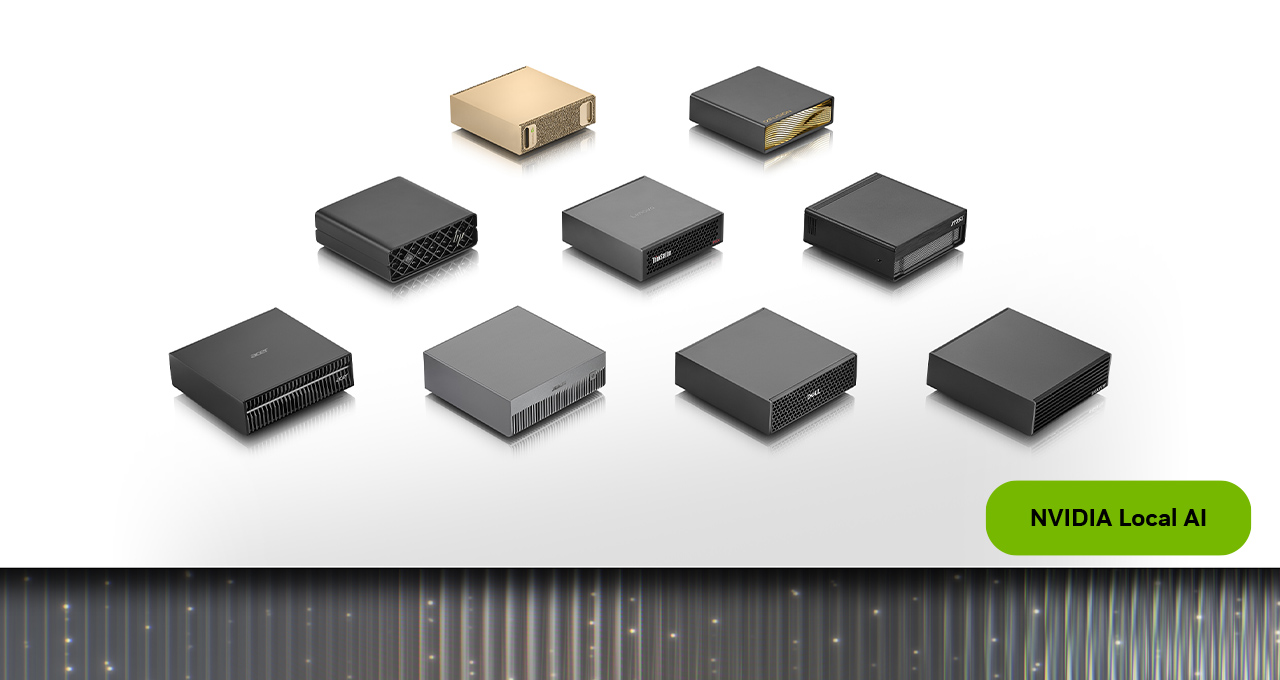
Nvidia's DGX Spark desktop AI system gains a 64GB unified memory configuration from Acer, Asus, Dell, HP and other partners, aimed at developers running open models and agents on their own hardware.
Nvidia is widening the memory options on its DGX Spark desktop AI computer, adding a 64GB unified memory version that will ship this month through its major manufacturing partners. The company confirmed the configuration in a blog post, naming Acer and several other top hardware vendors as the channels for the new build. The move targets developers who want to run open models and agent workloads on a desk rather than in a rented cloud instance.
The pitch behind DGX Spark has always been about putting a capable AI machine within arm's reach of a single developer. Unified memory matters here because it lets the GPU and CPU draw from one pool instead of shuttling data across separate banks, which is the usual bottleneck when a model is too large for a discrete card's VRAM. Doubling the pool to 64GB raises the ceiling on what can sit in memory at once, from mid-sized open-weight language models to multi-step agent pipelines that hold context across many calls.
That timing lines up with a broader shift in how AI agents get built. Prototypes that once ran as throwaway scripts are turning into tools developers keep open all day, and a growing crop of open models has been trimmed to run on fewer resources without giving up too much quality. Running those locally avoids per-token API costs, keeps proprietary data off third-party servers, and removes the latency that comes with a round trip to a data center.
Nvidia is not alone in chasing this buyer. Apple's unified-memory Macs have become a common machine for local model work, and AMD has pushed its own desktop AI hardware into the same conversation. By leaning on Acer, Asus, Dell, HP and other established PC makers, Nvidia gets retail shelf space and warranty support that a niche startup box would struggle to match. The partner list also signals that these machines are being positioned as standard developer workstations rather than exotic add-ons.
What the extra 64GB actually buys depends on the workload. Larger context windows, bigger quantized models and concurrent agent runs all consume memory fast, and the gap between a 32GB and 64GB machine often decides whether a job fits at all. Nvidia has not published pricing or a firm ship date beyond this month, and the real test will be whether the partner machines land close enough to cloud costs to justify the purchase. Developers weighing a local box against an hourly GPU rental now have one more spec to compare.