NVIDIA Pitches AI Against Breast Cancer's Three Weakest Links: Screening, Reading, Treatment Planning
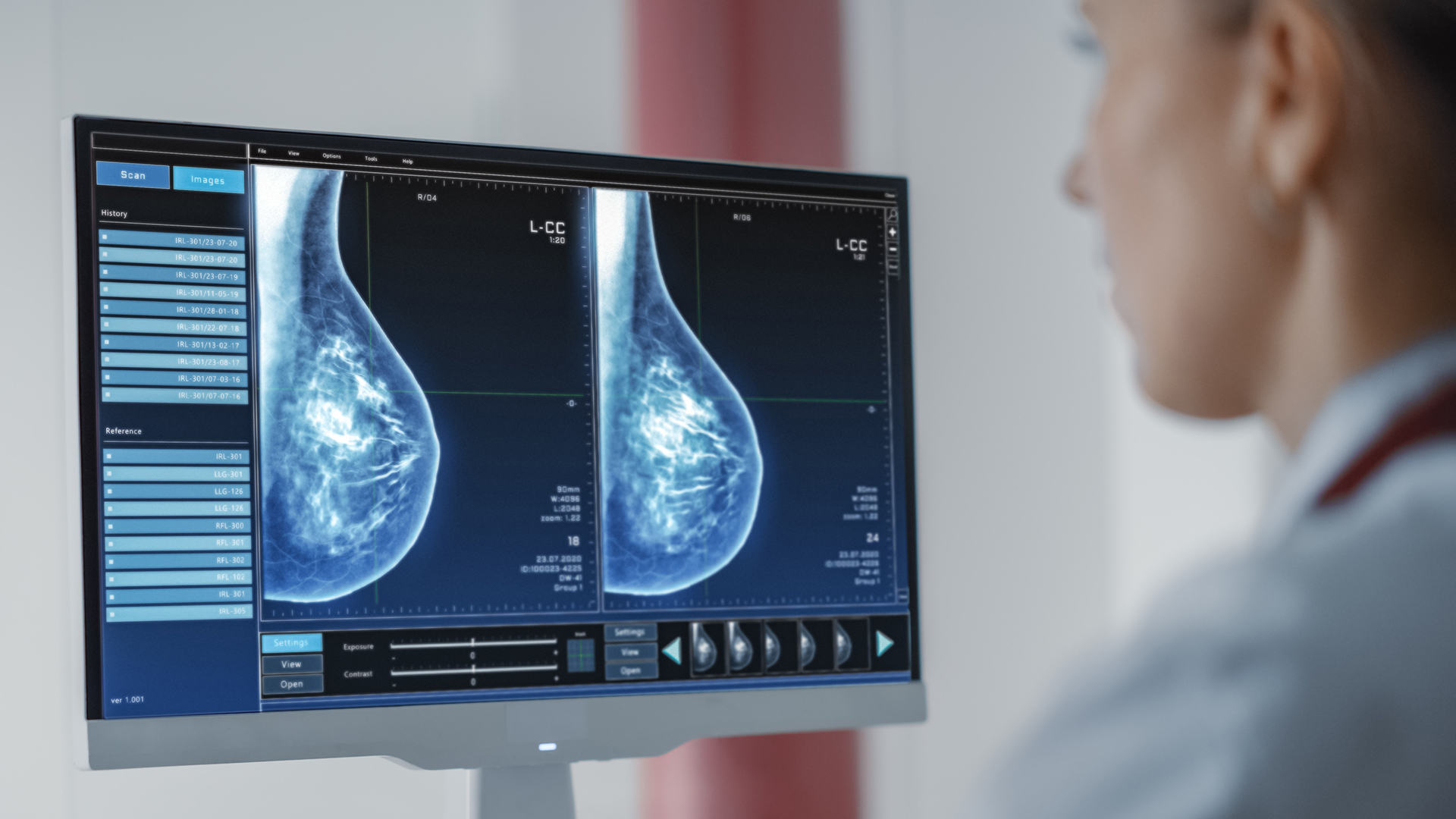
NVIDIA is positioning AI tools to address low mammography uptake, radiologist shortages and slow treatment-planning tests in US breast cancer care.
NVIDIA is making a direct push into breast cancer care, framing AI as a fix for three specific breakdowns in the US system: too few women getting screened, too few radiologists to read the images, and weeks-long waits for the tests that determine treatment. The company outlined the effort on its blog, tying together screening uptake, imaging workload and post-diagnosis testing into a single pipeline problem. Breast cancer is the most commonly diagnosed cancer among American women, which makes any of those three gaps expensive at population scale.
The screening numbers are the starkest. A majority of women over 40 do not get the annual mammogram guidelines recommend, according to the figures NVIDIA cites. That is not a marginal shortfall — it means most of the eligible population is outside the surveillance loop in any given year, and cancers that would be caught early are instead found later, when treatment is harder and costlier.
On the reading side, radiologists are handling more mammograms with fewer colleagues. That imbalance has been building for years as imaging volumes rise and the radiology workforce does not keep pace, and it creates pressure to move studies through faster than a careful read allows. AI-assisted triage and detection are the obvious lever here, and it is where most commercial breast imaging products already compete.
The third gap sits after diagnosis. Tests that guide treatment decisions can take weeks to return results, which delays the start of therapy and leaves patients in a holding pattern. NVIDIA's framing suggests AI's role is not just flagging suspicious pixels but helping compress that wait — connecting imaging, pathology and genomic signals into a plan oncologists can act on sooner.
For NVIDIA, the breast cancer story is also a commercial argument. The company sells the compute layer that medical imaging and clinical AI models run on, so every hospital that adopts AI-assisted mammography or treatment-planning software becomes a buyer of GPUs and inference infrastructure. Framing the pitch around a disease this common puts a clinical face on what is otherwise a hardware and platform sale.
What to watch is whether any of this moves the numbers that matter. Screening uptake depends on access, cost and patient behavior far more than on software, and a faster treatment plan is only useful if the tests feeding it are available. NVIDIA has named the gaps; it has not yet shown outcomes data demonstrating that AI closes them.