NVIDIA Opens Vera Rubin Architecture to OCP, Pushes Gigawatt-Scale AI Factories
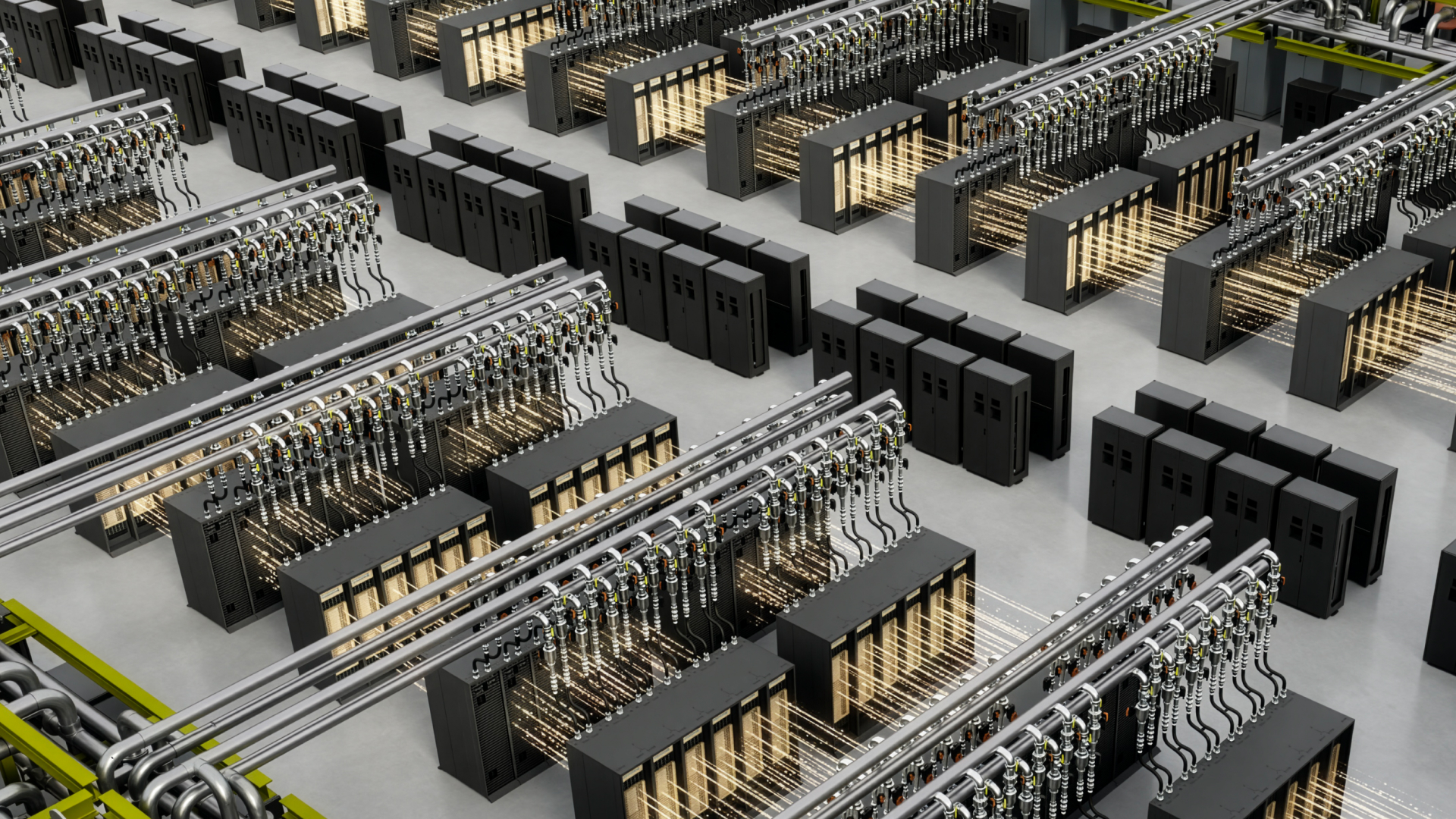
NVIDIA is contributing its Vera Rubin rack architecture to the Open Compute Project, betting that open standards are the only way AI data centers can scale from megawatts to gigawatts.
At the Open Compute Project Global Summit in San Jose this week, NVIDIA said it will contribute the design of its Vera Rubin rack architecture to the OCP community, opening the blueprint for its next-generation AI factory systems to outside vendors. The company also announced a slate of new partnerships and contributions aimed at standardizing how AI data centers are built. The move matters because AI clusters are moving from megawatt-scale installations to gigawatt-scale campuses, and NVIDIA is signaling it cannot build that much infrastructure alone.
Vera Rubin is the successor to NVIDIA's current rack-scale systems, designed to pair the company's next GPU generation with faster memory and networking in a single integrated rack. By handing the architecture to OCP, NVIDIA gives server makers, cooling vendors and power suppliers a common reference design they can build against. That is a shift from the vertically integrated approach that has defined its rack-scale products so far, and it puts NVIDIA's own hardware on the same standards track as the broader data center industry.
The timing reflects a hard physical reality. A single large AI training campus now draws hundreds of megawatts, and planned builds are pushing past a gigawatt, which is roughly the output of a large nuclear reactor. At that size, every non-standard connector, power shelf or coolant loop becomes a bottleneck that slows construction and raises failure rates. OCP's model — shared mechanical, electrical and thermal specifications — exists precisely to stop each operator from reinventing those parts.
NVIDIA is not the first AI hardware vendor to lean on OCP, but it is the largest. Rivals including AMD and Broadcom have used OCP to win OEM design slots, and hyperscalers such as Meta and Microsoft have driven many of the group's rack and power standards. NVIDIA's participation gives the project its most influential contributor yet, and it also gives NVIDIA a way to keep its rack format at the center of designs it does not directly manufacture.
For buyers, the practical effect is more vendors able to quote compatible racks, which should compress lead times and give procurement teams alternatives to a single supplier. It also means the interconnect and cooling specs around Vera Rubin will be public earlier, letting component makers prepare parts before the platform ships. The open question is how much of the design NVIDIA actually releases, since the GPU modules and NVLink fabric at the core of the rack remain proprietary.
What to watch next: whether major OEMs and cloud providers commit to building Vera Rubin racks from the OCP specification, and whether the published documents cover power delivery and liquid cooling in enough detail to matter. NVIDIA has not said when the contribution will land or which partners signed on first. Those details will decide whether this is a genuine shift toward open AI infrastructure or a standards announcement with a proprietary center.