Nvidia and Microsoft Team Up to Put AI Agents Directly on Windows PCs
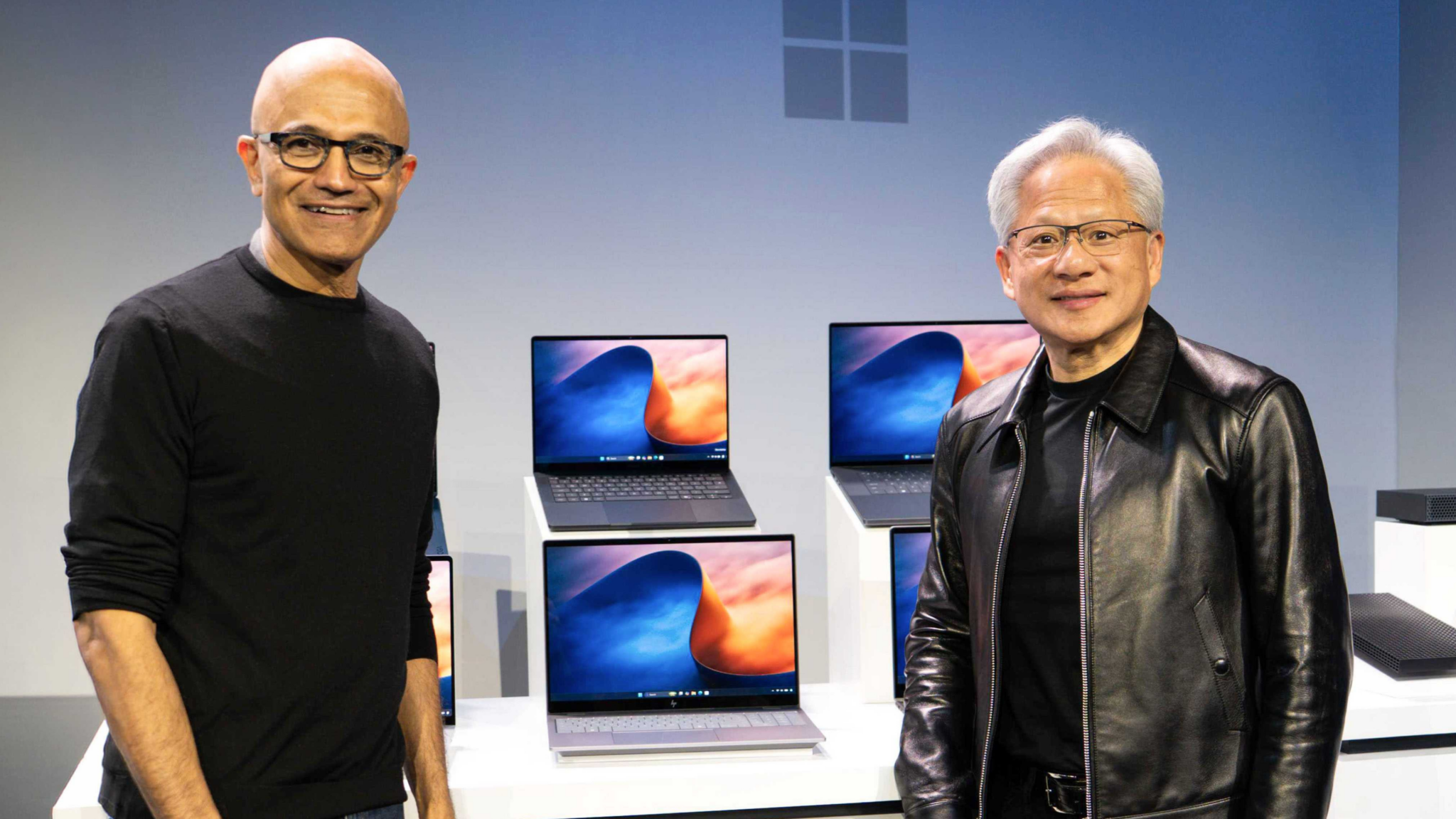
Nvidia and Microsoft are co-engineering hardware and software so AI agents can run locally on Windows machines, unveiled at a San Francisco event led by Jensen Huang and Satya Nadella.
Nvidia and Microsoft used a San Francisco event on Wednesday to lay out a joint plan for running AI agents natively on Windows PCs, with Nvidia CEO Jensen Huang and Microsoft CEO Satya Nadella sharing the stage. The two companies said they are co-designing both silicon and software so that agentic workloads execute on the machine rather than being piped to a distant data center. The effort is tied to an RTX-branded push that Nvidia is positioning as the start of a new chapter for the PC.
The historical framing was deliberate. Huang noted that Nvidia was founded in an era defined by Windows, and argued the platform is now the natural home for the next wave of AI software. That line carries weight inside Nvidia, where the GeForce and RTX product lines were built around PC graphics and have already been repurposed for on-device inference. The company is effectively asking developers to treat the local GPU as the primary execution target for agents, not a fallback.
Local execution matters because of latency, cost and privacy. Cloud-hosted agents incur per-token charges and network round trips that make always-on assistants expensive to operate at scale, while sending screenshots, documents and keystrokes off-device raises questions for enterprise buyers. Running models on an RTX-class GPU inside the PC shortens response times and keeps sensitive data on the machine, a pitch Microsoft has been making to IT departments since its Copilot+ rollout.
Nvidia did not disclose detailed specifications for the RTX Spark hardware, and neither company put a date on broad availability. The announcement follows a pattern the two firms have followed for years: Microsoft supplies the operating system and developer surfaces, Nvidia supplies the accelerator and the inference stack. Getting agents to feel useful rather than gimmicky will depend on how well that stack handles multi-step tasks, tool calls and long context without draining a laptop battery.
The stakes are high for both partners. Microsoft needs a reason for consumers and businesses to replace older PCs, and agent features are its best remaining argument after underwhelming early Copilot reception. Nvidia, meanwhile, faces a PC market that has been flat for years and wants to sell higher-margin GPUs into it. An agent runtime that genuinely needs local compute would serve both agendas at once.
What to watch next is developer tooling. Agents are only as good as the frameworks and APIs underneath them, and the two companies have not yet detailed how existing Windows apps expose tools to an on-device model or how memory is managed across sessions. Until those details land, the announcement sets a direction more than a shipping product.