MIT Researchers Give AI Models a 3D View of Crystal Structures
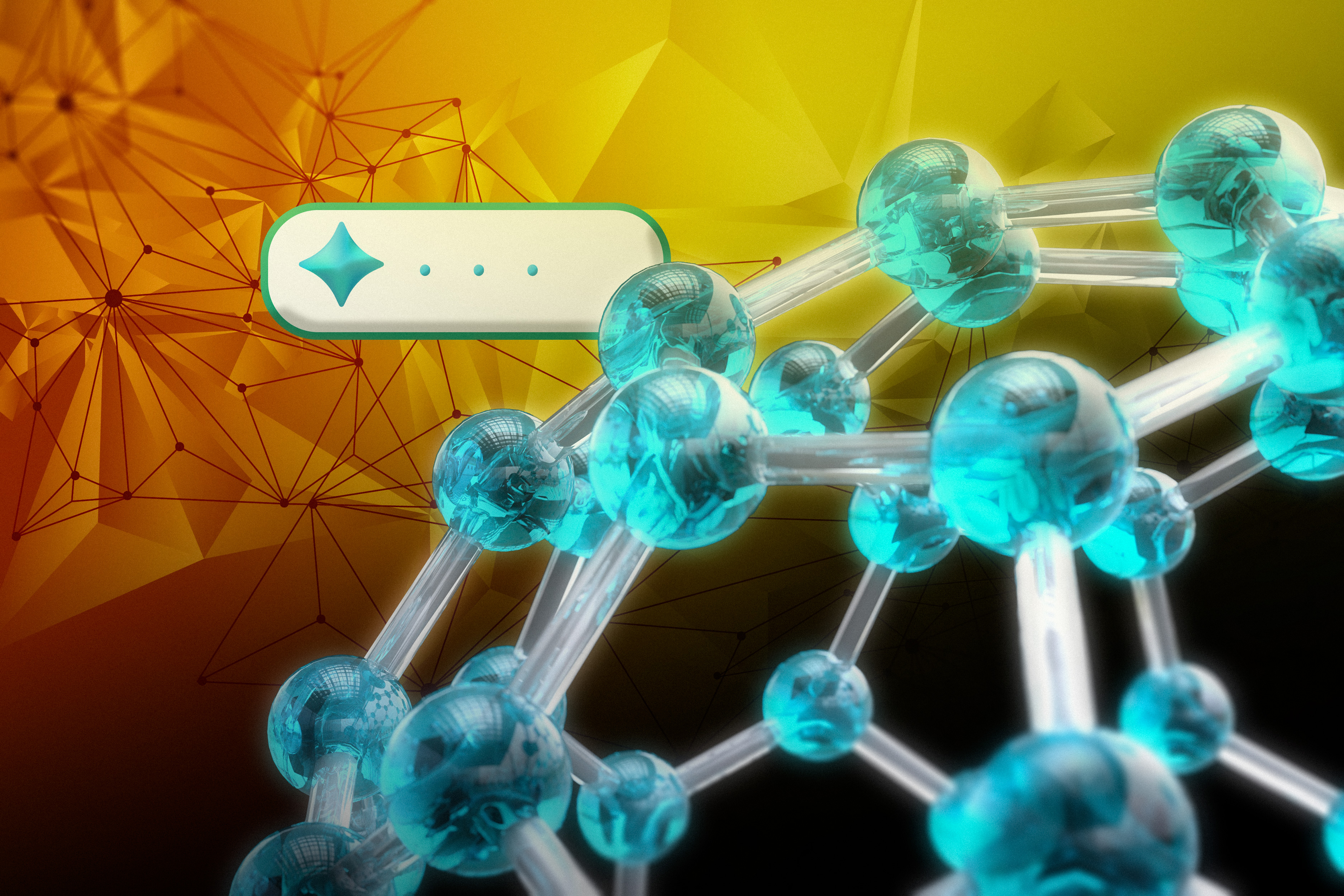
New work from MIT News describes a method for teaching AI systems to perceive crystalline materials in three dimensions and reason about their physical properties.
Researchers at MIT have developed an approach that lets machine-learning models interpret crystalline materials in three dimensions and draw inferences about how those materials behave, according to MIT News. The work targets a gap that has limited AI's usefulness in materials science: most models handle crystals as flat strings of atoms or formulas rather than as spatial objects with geometry that determines their behavior.
Crystal structure drives nearly everything a material does. How atoms stack, bond and repeat through a lattice decides whether a substance conducts electricity, holds up under stress or catalyzes a reaction. A model that only reads chemical composition misses that arrangement, which is why prediction tools trained on formulas alone tend to stumble on properties that depend on 3D geometry.
The MIT work points toward representations that preserve spatial relationships inside the lattice, giving models something closer to what a crystallographer sees when examining a structure. That matters for screening: researchers increasingly use AI to propose candidate compounds for batteries, semiconductors and catalysts, and a model that misreads geometry can rank the wrong material first. Better 3D understanding could tighten those shortlists before anyone enters a lab.
The effort lands in a crowded field. Groups at Google DeepMind, Microsoft and a growing list of university labs have built models for predicting material properties and stable crystal structures, and databases such as the Materials Project supply training data at scale. What separates this line of research is the emphasis on perception, teaching a model to see structure rather than only pattern-match on composition.
MIT has not yet detailed benchmark results, dataset sizes or how the method performs against existing property-prediction models, so the practical gain is still unproven. The open question is whether 3D-aware models translate into fewer wasted synthesis experiments, which is the metric that matters to anyone actually making materials. Watch for follow-up evaluations on standard property-prediction tasks and for whether outside labs adopt the representation in their own pipelines.