MIT Lincoln Laboratory Survey Maps the Shifting Terrain of AI Accelerator Hardware
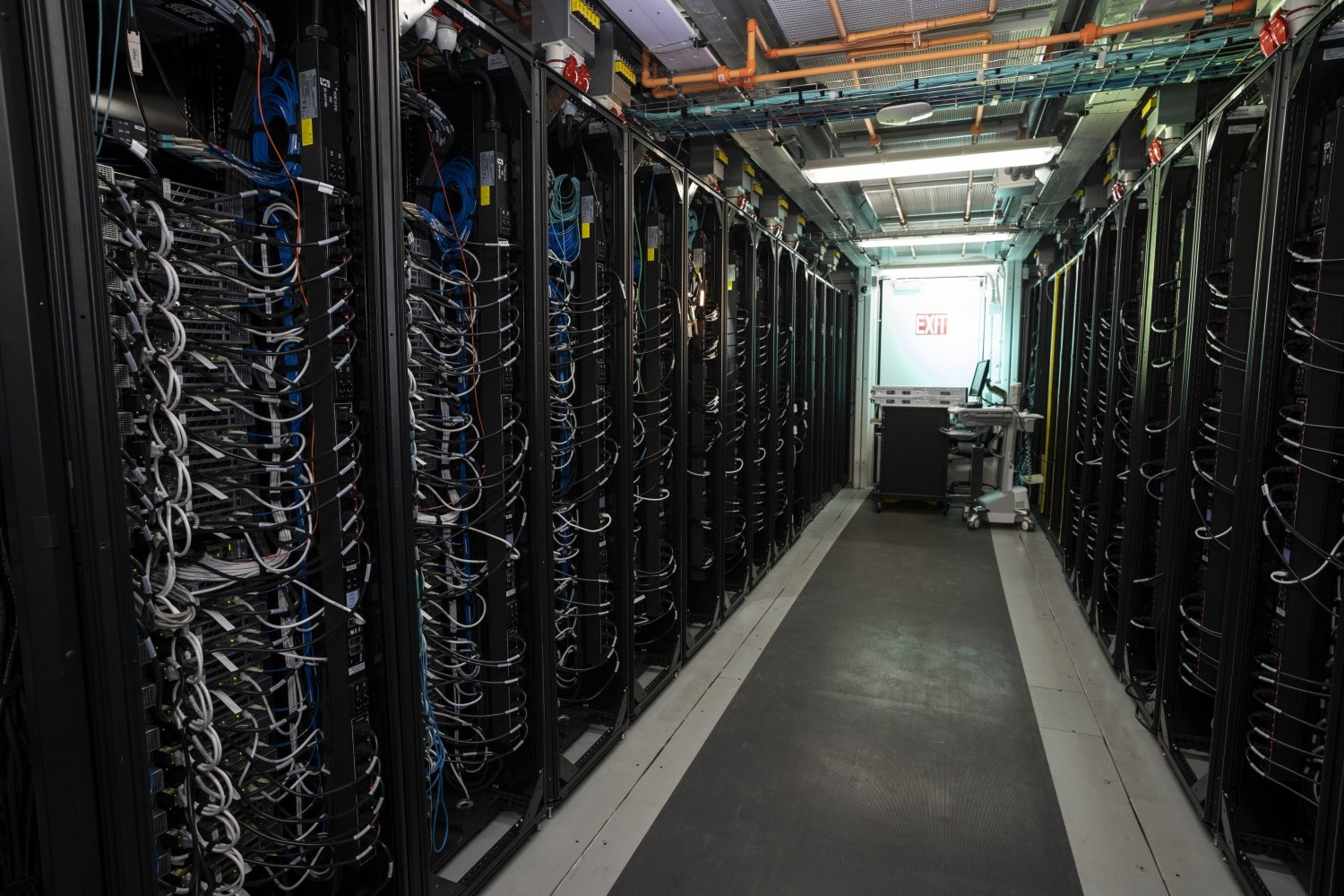
A continuing MIT survey tracks AI accelerator systems to keep Lincoln Laboratory researchers and their sponsors working from current hardware data.
Researchers at MIT Lincoln Laboratory are maintaining an ongoing survey of AI accelerator systems, an effort aimed at keeping the laboratory's staff and its government sponsors current on hardware that changes faster than most procurement cycles can absorb. The work is less a single product announcement than a standing reference, updated as new chips and system designs reach the market.
The motivation is practical. Lincoln Laboratory builds and evaluates systems for national-security missions, and the accelerators available for those jobs set hard limits on what models can run, how fast, and at what power draw. A survey that goes stale by a generation or two stops being useful to engineers choosing hardware or to sponsors deciding what to fund.
AI accelerator hardware has moved quickly on several fronts at once. Nvidia's data-center GPUs remain the default for large-scale training, while AMD, Intel, and a crop of startups push alternatives, and cloud providers design their own silicon to cut cost per token. Memory bandwidth, interconnect, and cooling now matter as much as raw arithmetic throughput, which is why a survey has to track full systems rather than chip specifications alone.
For Lincoln Laboratory, the survey also supports a broader mission of technology assessment for the Defense Department and other federal sponsors. Staff need to know which accelerators can be procured, which are export-controlled, and which fit power and latency budgets in edge or airborne settings. Those constraints often rule out the newest, largest parts, making an accurate map of the field a working tool rather than background reading.
The effort fits a wider pattern of institutions building internal hardware-watch programs as AI compute becomes a budget line rather than a research curiosity. Universities, national labs, and agencies have all had to decide how much GPU capacity to buy, lease, or forgo. A regularly refreshed survey gives those decisions a shared factual base instead of vendor slide decks.
What to watch is whether the survey keeps pace as accelerators diversify. Custom silicon from hyperscalers, chiplet-based designs, and lower-precision formats are all moving targets, and each changes the calculus for buyers. The open question is how long any published snapshot stays accurate, and whether the laboratory shifts to a more frequent or more automated update cycle.