MIT Launches 'MIT for America' to Push STEM and AI Literacy From Kindergarten to Community College
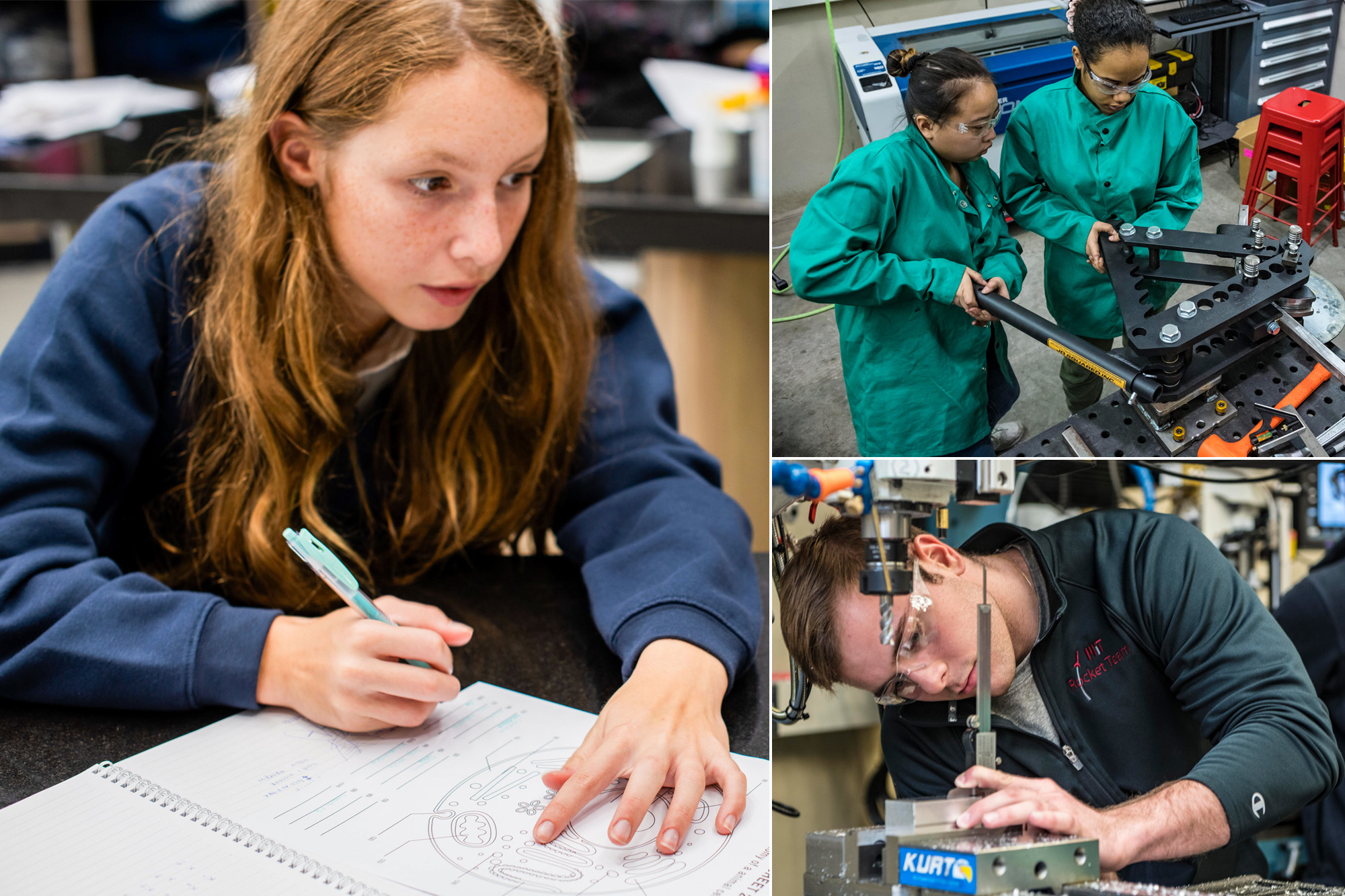
MIT's new national initiative targets math, hands-on making, and constructive AI use for U.S. learners at every level below the four-year degree.
MIT has announced a new national education effort called MIT for America, aimed at strengthening STEM instruction for U.S. students from kindergarten through community college. The initiative places particular weight on mathematics, hands-on making, and teaching students to use artificial intelligence constructively rather than passively. It marks one of the institute's broadest attempts to push its educational reach beyond its own campus and into the country's public learning pipeline.
The scope is deliberately wide. By spanning K-12 and the two-year college sector, the program reaches the students most likely to be left out of the current AI boom — those who never enroll at a research university but will still enter a workforce increasingly shaped by automated tools. Community colleges in particular train a large share of technicians, nurses, and skilled tradespeople, groups that will need working fluency with AI systems rather than deep model-building expertise.
The emphasis on 'making' signals that MIT is not pitching a purely screen-based curriculum. Hands-on projects — building, fabricating, tinkering — have long been a signature of the institute's approach to engineering education, and folding them together with AI instruction suggests students would learn the technology by applying it to physical problems. That framing also serves as a counterweight to the fear that AI tools simply let students skip the thinking.
The timing is not accidental. Schools across the country are still arguing over whether and how to allow generative AI in classrooms, with some districts banning it outright and others writing permissive guidelines. A heavyweight technical institution entering that debate with a national program could shift the conversation toward structured instruction, giving teachers vetted material instead of leaving each district to improvise its own policy.
Details that will determine whether the effort lives up to its name are still thin: funding, partner districts, teacher training, and how results get measured have not been laid out in the announcement. MIT's reputation can open doors, but national education initiatives have a long history of launching with fanfare and fading when the grants run out. The question worth watching is whether this becomes a durable curriculum pipeline with real assessment data, or a one-time outreach push.