Microsoft Pulls Copilot Back From Consumer Chatbot Race in Major Reboot
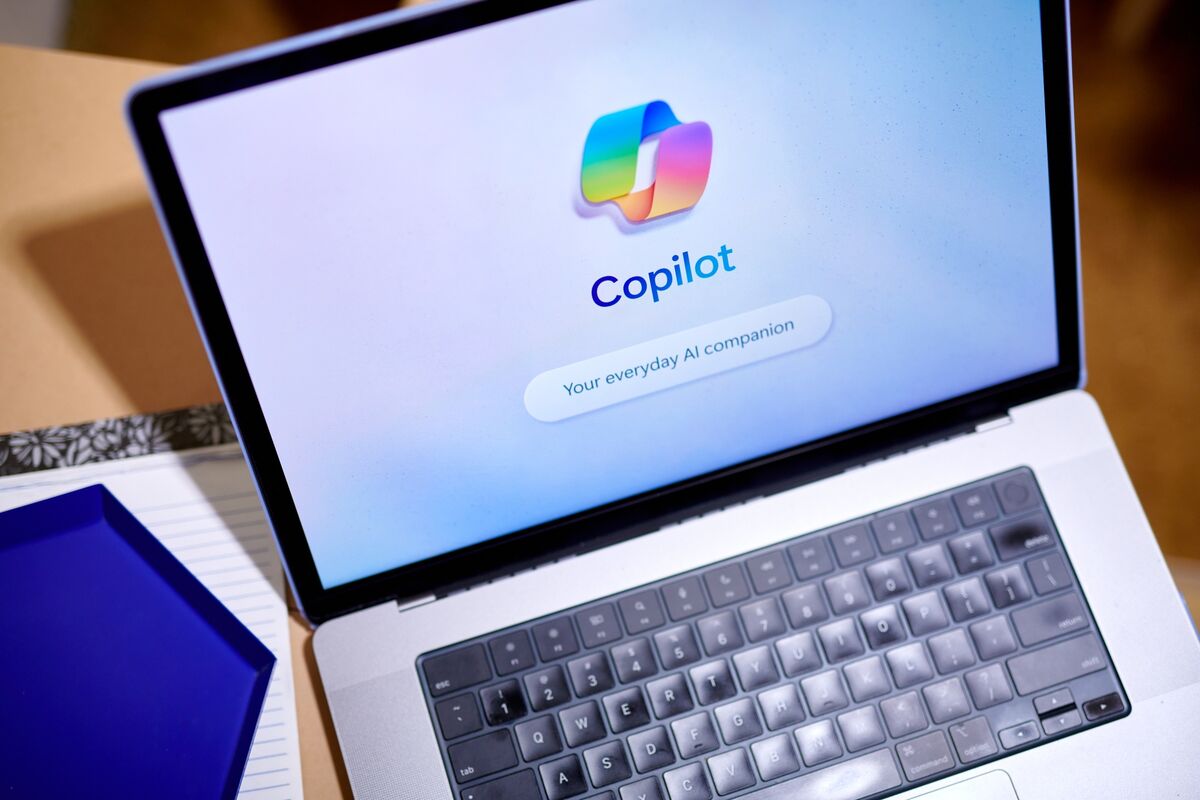
Microsoft is refocusing Copilot away from the one-on-one personal AI assistant market, ceding ground to ChatGPT and Gemini.
Microsoft is stepping back from the consumer personal AI chatbot fight, repositioning Copilot away from the one-on-one assistant role it has pushed since 2023. The company is rebooting the product's direction rather than continuing to compete head-on for everyday users against OpenAI's ChatGPT and Google's Gemini. The move, first surfaced in a Hacker News thread that drew 79 points and 70 comments, marks a notable retreat for a company that spent billions building chatbot infrastructure and brand recognition around a single assistant.
The original pitch for Copilot was straightforward: a Microsoft-branded assistant stitched into Windows, Edge, Office and Bing, available to anyone with a Microsoft account. That framing put it in direct competition with standalone chatbots that had already built large consumer habits. The result, according to the reporting behind the reboot, is a product that never converted its distribution advantages into loyal daily users. Microsoft has not published engagement figures for the consumer tier, which is itself telling given how loudly it marketed the launch.
The reboot points Copilot toward embedded, task-specific assistance inside Microsoft's commercial products rather than a general-purpose companion. That means deeper hooks into Word, Excel, Teams and developer tooling, where Microsoft already owns the workflow and can bill per seat. Enterprises have been the more reliable revenue source for generative AI features, and Microsoft's Azure and Microsoft 365 businesses give it a captive base to sell into. Consumer chatbot usage, by contrast, is expensive to serve and hard to monetize without ads or subscriptions.
The timing is awkward for Microsoft's AI narrative. The company has invested heavily in OpenAI and has positioned itself as the most aggressive big-tech adopter of large language models. Walking back a flagship consumer assistant invites questions about whether the Copilot brand was stretched too thin across too many surfaces. Rivals including Google and Anthropic continue to ship consumer-facing assistants, and Meta keeps pushing its own chatbot into its apps. Microsoft's retreat narrows the field rather than expanding it.
For developers and IT buyers, the practical effect is a clearer signal about where Microsoft wants Copilot to live. Expect more emphasis on agents, APIs and productivity integrations, and less on the chat window as a destination. The open question is whether Microsoft can win the assistant market as plumbing rather than as a product people open on purpose. If it cannot, the company may end up supplying the rails for competitors' chatbots while owning none of the consumer relationship.