Meta's New AI Agent Muse Takes Over Social Handles Belonging to the Band Muse
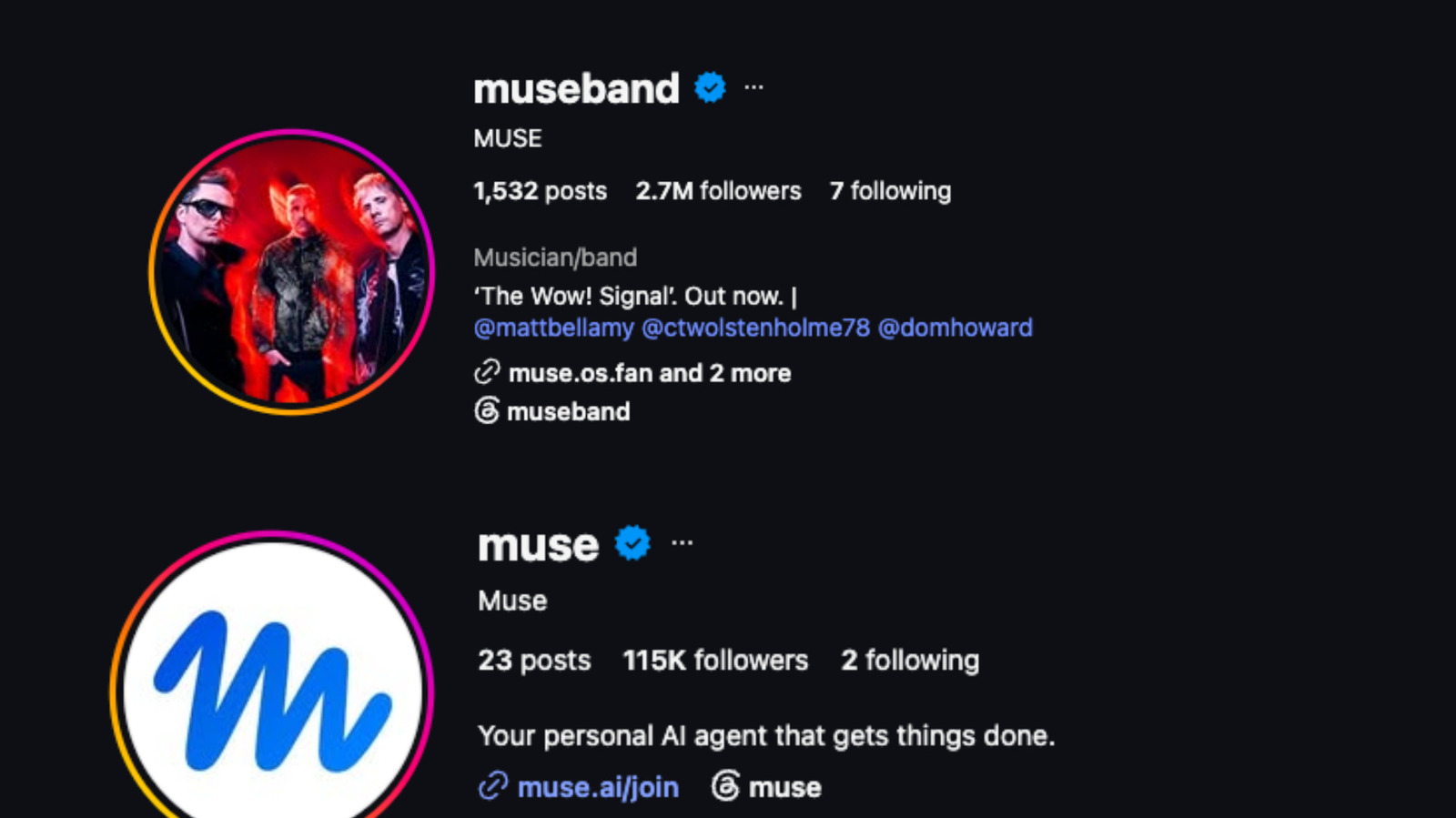
Meta's rollout of an AI agent named Muse appears to have taken over social media accounts belonging to the British rock band Muse, raising fresh questions about how platforms resolve name conflicts with their own…
Meta's push to populate its apps with AI characters has run into an unexpected naming conflict. Social media handles long held by the British rock band Muse appear to have been claimed or reassigned as part of the rollout of a Meta AI agent also called Muse, according to reporting first surfaced by Engadget and circulated widely among developers and platform watchers. The band, formed in Devon in 1994 and behind albums such as Origin of Symmetry and Absolution, has performed under that name for three decades.
Details of exactly which accounts changed hands remain thin, and it is not clear whether the handles were reassigned deliberately or caught in a bulk registration sweep as Meta attached names to new agents across Instagram, Facebook and Threads. Meta has not publicly addressed the band's situation. The company has spent the past two years building out a roster of AI characters and assistants inside its apps, and each named agent needs a consistent presence across those surfaces.
The episode looks procedural rather than legal. Platform handle policies generally favor verified ownership and registered trademarks, but a corporate claim tied to the platform operator can move faster than an artist's team can file a response. When the claimant is Meta itself, the usual appeals route narrows sharply, since there is no neutral third party to escalate to and support tickets become the main channel.
That asymmetry is the part with broader consequences. Social accounts carry tour dates, merchandise drops and direct fan contact, and losing one can strand an audience built over years. Larger acts can lean on labels and legal counsel to press impersonation or trademark complaints, while smaller artists without that infrastructure are more exposed. Reclaiming a handle often requires formal trademark filings and repeated follow-ups, a burden that falls hardest on independent musicians.
The collision also lands on a question platform policy teams and regulators have largely avoided: who gets priority when a corporation's product name matches an established act's identity. Short, generic words like Muse are exactly the kind of label most likely to overlap with existing brands, and Meta's scale gives it leverage individual rights holders cannot match. The precedent set here could shape how future AI branding claims are handled.
Watch whether Meta restores the band's accounts, renames the agent, or lets the matter run through its standard impersonation process. Any of those outcomes would signal how the company intends to handle the growing pile of name conflicts created by its AI product lineup, and whether artists get a faster path than a support queue.