Meta's Connect keynote becomes a Muse showcase as Gemini Canvas adds Sheets charts
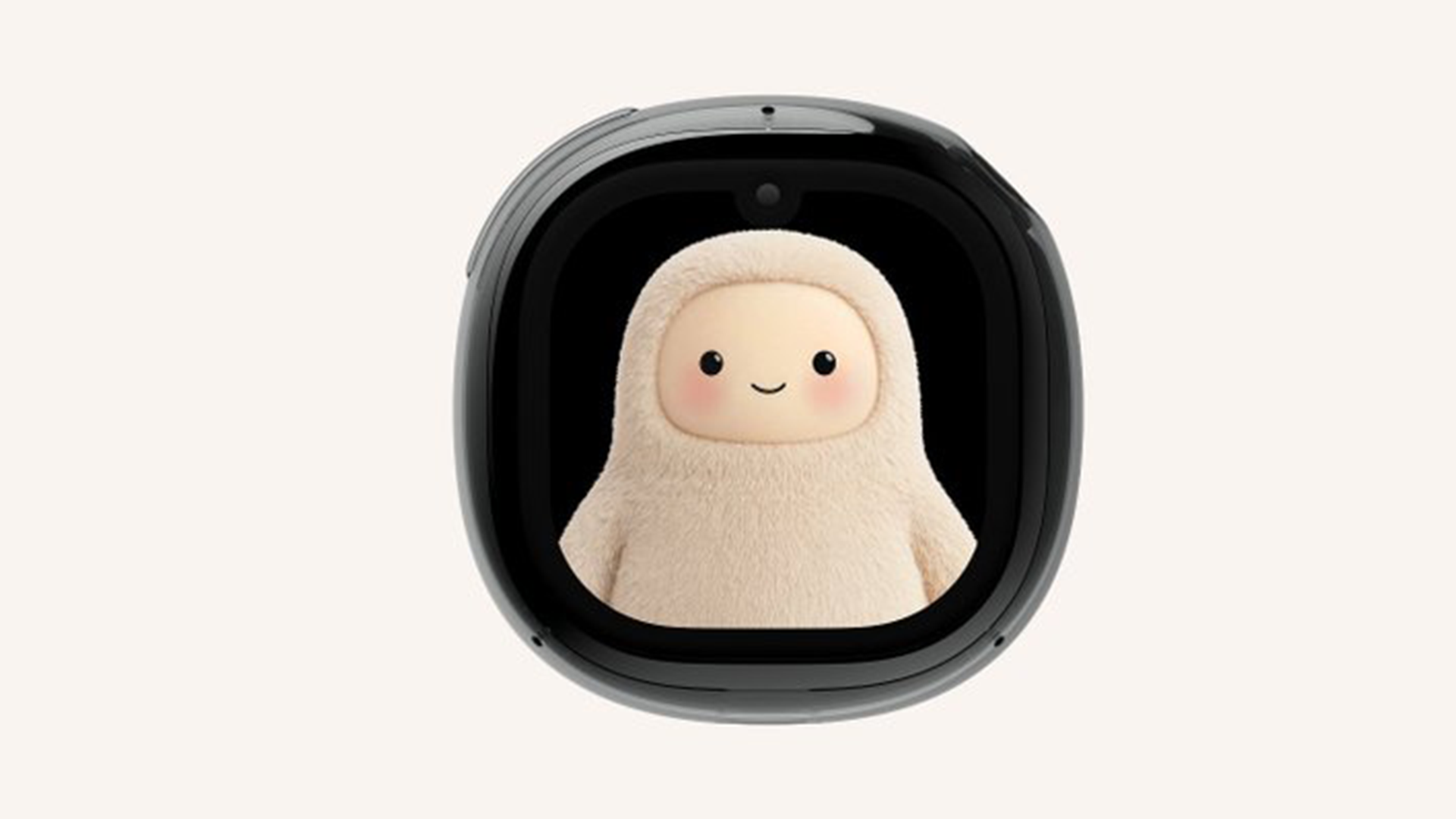
Meta used its Connect stage to push the Muse AI agenda, while Google's Gemini Canvas now turns spreadsheet data into charts and visuals.
Meta's annual Connect event, historically a hardware and metaverse showcase, was repurposed this year into a platform for the company's Muse AI push, according to coverage from The Rundown AI. The shift signals that Meta is folding its consumer AI efforts into the same keynote slot it once reserved for Quest headsets and avatar demos. For developers and advertisers watching the company's roadmap, the message is that Muse is now the headline act, not a side announcement.
The decision to give Muse top billing at Connect reflects how quickly Meta's priorities have moved. In past years the conference leaned on virtual-reality hardware and Horizon Worlds updates to anchor the agenda; this time the AI product line took the main stage. That reordering matters because Connect draws press, partners and creators who plan budgets around what Meta signals as strategic. When the keynote's center of gravity changes, so does the internal allocation of engineering and marketing resources.
The Muse branding itself has become the umbrella for Meta's consumer-facing AI features, spanning chat assistants and creative tools. By tying the announcement to Connect rather than a separate AI-only event, Meta gets a captive audience already primed to hear about product integration. The company has not disclosed specific performance metrics or pricing changes tied to the Muse rollout at the event, leaving open how broadly the features will ship and on which surfaces.
Separately, Google added a practical capability to Gemini Canvas: the ability to turn Google Sheets data into visualizations, per the same rundown. Canvas, Google's workspace for iterating on AI-generated content, now lets users pull spreadsheet figures and render them as charts without leaving the interface. That closes a gap for teams that already keep numbers in Sheets but want a faster path from rows to a presentable graphic.
Both moves point in the same direction: AI assistants are being wired directly into the tools people already use, whether Meta's social apps or Google's productivity suite. The competitive question is no longer who has the best standalone chatbot, but whose assistant reaches the most existing workflows. What to watch next is whether Meta publishes adoption numbers for Muse and whether Google extends Canvas charting to live, updating Sheets rather than one-time exports.
For now, the takeaway for practitioners is that the assistant layer is consolidating inside incumbent platforms. Meta is betting Connect's audience will follow it into AI, and Google is betting Sheets users want charts without a separate analytics tool. Neither company has said how these features will be priced or limited at scale, which is the detail that will determine real adoption.