Gates Foundation Puts $1 Billion Behind AI for Health, Schools and Farms
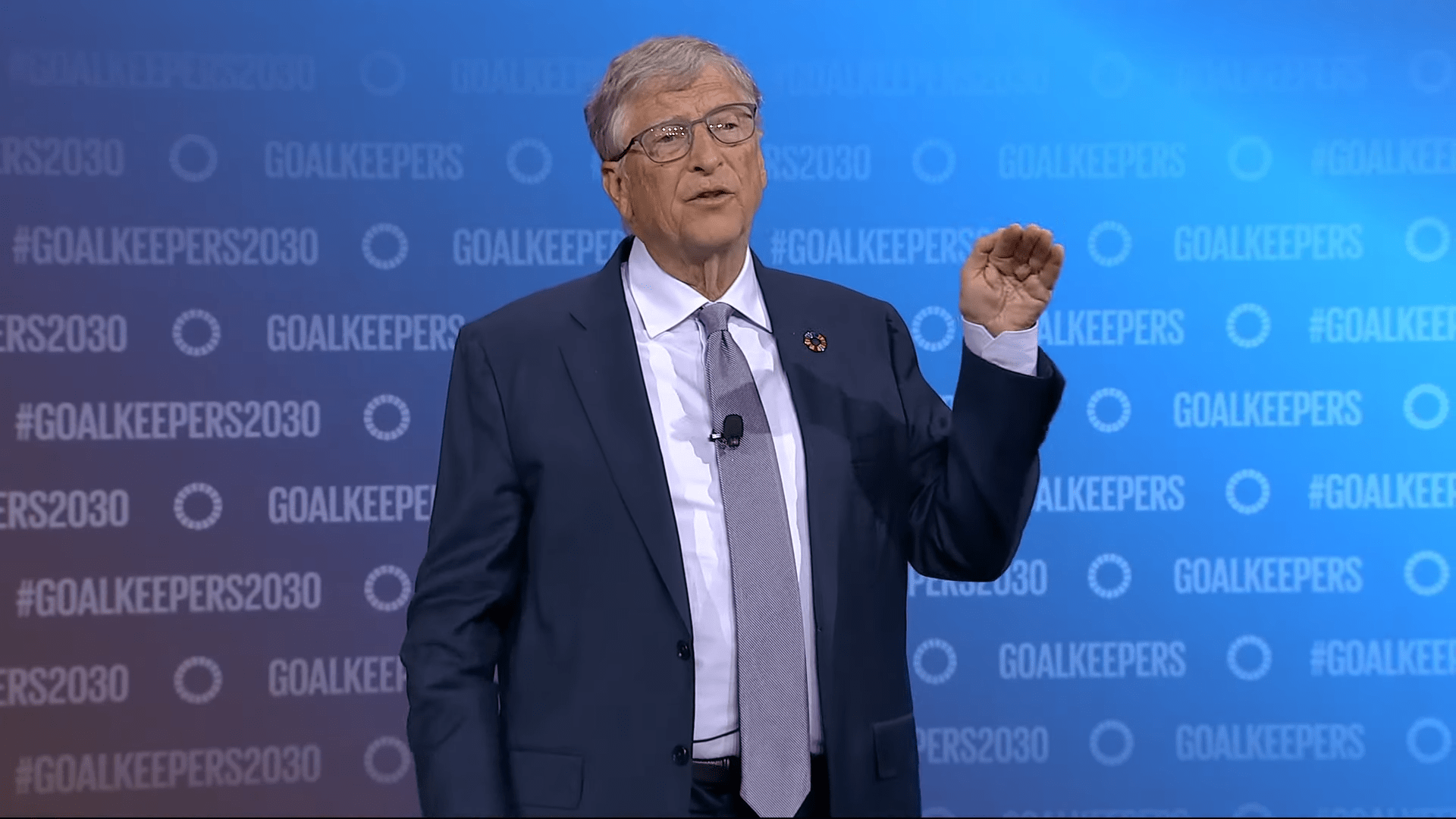
The Gates Foundation will spend at least $1 billion over two years to push AI into health, education and agriculture, even as Bill Gates warns the technology's benefits are skewed toward English speakers.
The Gates Foundation is committing at least $1 billion over the next two years to spread AI tools through health care, education and agriculture, Bill Gates said, pairing the money with a blunt warning that the technology's current benefits flow mostly to English-speaking users. The spending marks one of the largest single philanthropic bets on AI deployment rather than AI research, and it lands as governments and companies argue over who gets access to the most capable models.
Gates pointed to the data behind early language models as evidence of the gap. More than 90 percent of the training material for those systems came from English-language sources, he said, leaving most of the world's languages on the outside. Speech recognition, he added, fails about 60 percent of the time in Yoruba, a language spoken by tens of millions of people in Nigeria and neighboring countries.
That failure rate is not an abstract statistic for the foundation's work. Health workers who rely on voice input to log patient data, or farmers who want spoken advice in a local language, run into systems that simply do not hear them. Gates argued the market will not close that gap on its own, describing it as "a terrible guarantor of equal opportunity" — a line aimed squarely at the idea that commercial incentives will eventually serve low-income users.
The two-year, billion-dollar program is meant to fund the deployment side: putting existing AI tools into clinics, classrooms and farm advisory services, and paying for the local-language data and adaptation work that vendors have skipped. The foundation has taken a similar approach before with vaccines and agricultural research, funding delivery and market-shaping rather than basic science. This time the target is software that many of its intended users cannot yet use well.
The announcement sits awkwardly beside Gates's own past warnings about AI risk, which have included comparisons to nuclear weapons and calls for caution about rapid capability gains. His position now splits the two issues: slow down the frontier, but move quickly to distribute what already exists. That distinction will be tested as the foundation picks partners and countries, and as critics ask whether a billion dollars over two years can change systems built on English-first data. The open question is whether the funded projects produce tools that work in Yoruba, Swahili or Hindi at rates comparable to English — or whether the money buys pilots that fade when the grants end.