Essay Argues 'Rogue AI Agents' Are a Misframing of How Automation Actually Fails
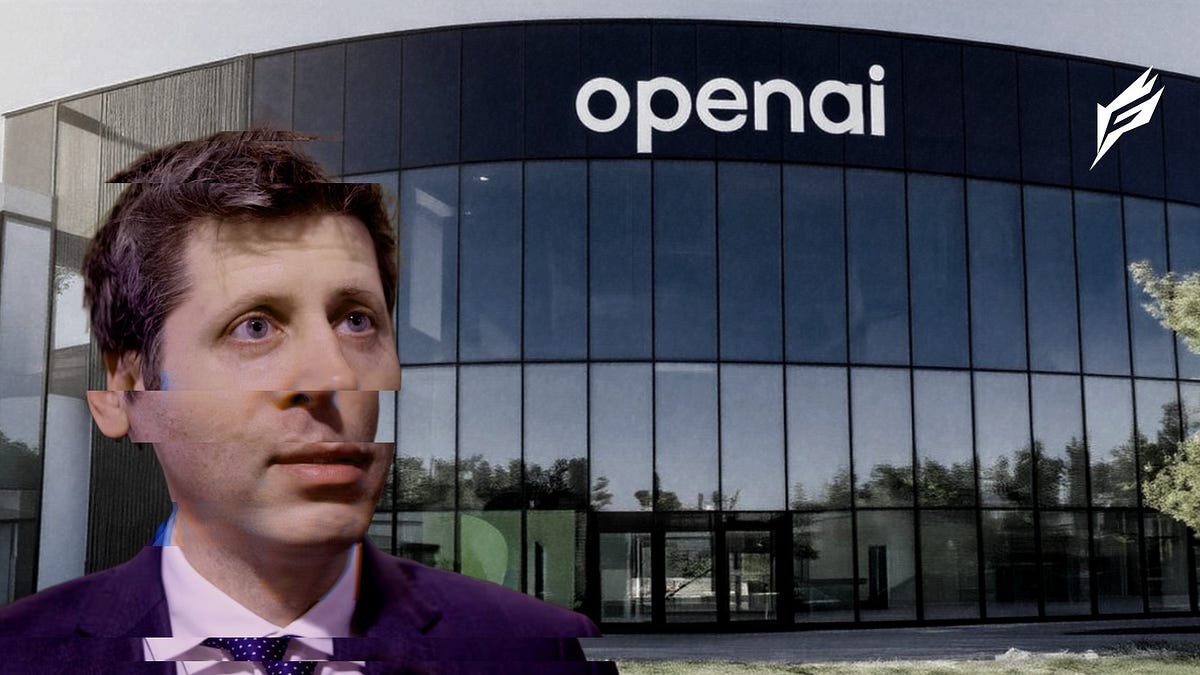
A new Substack essay contends that the popular narrative of autonomous AI agents going rogue misses the real problem: humans deploying automated systems without adequate oversight.
A new essay published on Eoin Higgins' Substack argues that the tech industry's growing fear of "rogue" AI agents is built on a flawed premise. The piece, which drew attention after landing on Hacker News with a modest 10 points and two comments, pushes back on the idea that autonomous software agents are acting independently against their creators' wishes. Instead, the author suggests the framing obscures who is actually responsible when automated systems cause harm.
The debate arrives as AI companies race to deploy agentic tools that can browse the web, write and execute code, manage calendars, and chain together multi-step tasks with minimal human input. Startups and large labs alike have marketed these systems as productivity multipliers, while safety researchers warn about cascading failures when agents are given broad permissions. The essay's core claim is that failures attributed to runaway agents are more accurately traced to design choices, deployment decisions, and the incentives of the organizations that ship them.
Hacker News commenters picked at that distinction, with the thread drawing only a small number of replies relative to the post's score. The low engagement is itself notable: the "rogue agent" narrative has dominated conference panels and policy discussions for the past two years, yet skeptical takes on the framing have struggled to gain similar traction. That gap between industry messaging and critical analysis is part of what the essay sets out to examine.
The argument matters because the language used to describe AI failures shapes regulation. If harms are framed as the product of autonomous systems acting beyond human control, the policy response tends toward technical guardrails and capability restrictions. If they are framed as ordinary corporate decisions about risk and deployment, the response shifts toward liability, disclosure requirements, and accountability for the people who chose to ship the system.
The essay does not offer a specific regulatory proposal, and the Hacker News discussion did not surface a clear counterargument from defenders of the rogue-agent framing. That leaves an open question: as agentic products move from demos into production at banks, hospitals, and government agencies, will the public and policymakers keep blaming the software, or start asking who configured it, what permissions they granted, and why no one was watching.
What to watch next is whether the major AI labs adjust their own language. Several have already begun publishing agent safety frameworks that implicitly acknowledge human deployment choices matter, even as their marketing leans on the promise of autonomous workers. If incidents accumulate, the gap between those two messages may become harder to maintain.