Egypt Pushes AI From Pilot Projects to Production at Grand Egyptian Museum Event
NVIDIA's EMEA vice president Paolo Guglielmini headlined a Cairo gathering aimed at moving Egypt's AI ecosystem past experimentation and into deployed, revenue-generating systems.
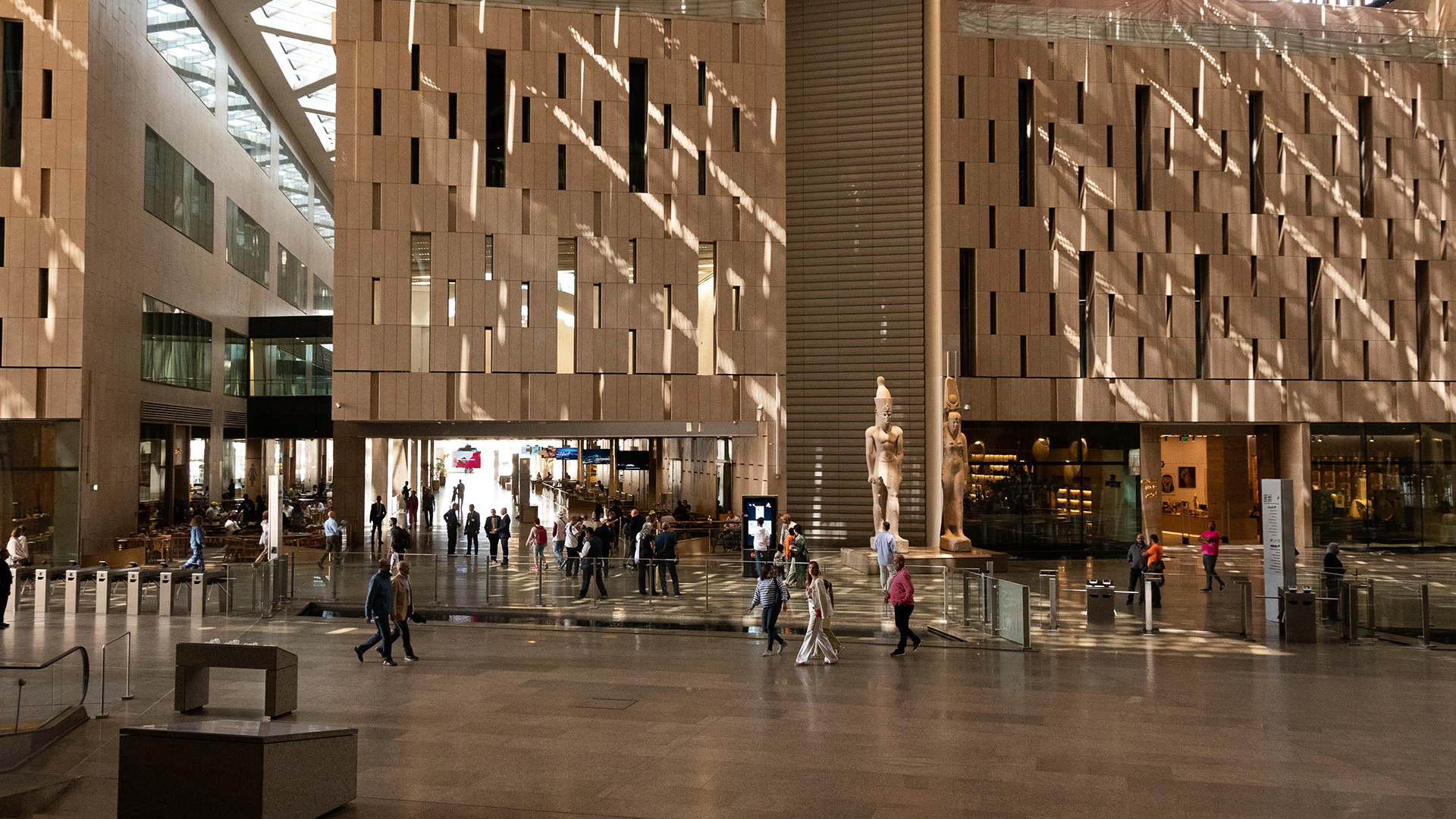
Egypt's AI community convened at the Grand Egyptian Museum this week for a reception that framed the country's artificial intelligence sector as having crossed from pilot programs into production-scale deployment. The event drew AI-native companies, independent developers, academic researchers, startups and large enterprises, all building applications that span multiple industries. NVIDIA vice president for EMEA Paolo Guglielmini delivered the keynote, signaling the chipmaker's interest in positioning Egypt as a regional deployment hub rather than just a talent pool.
The gathering's theme — moving from enablement to execution — reflects a shift in how Egypt's builders describe their own work. Earlier phases of the country's AI push centered on training programs, hackathons and sandbox pilots, many of them funded by development agencies or government digitization initiatives. The current emphasis is on systems that run in production, serve paying customers and generate measurable returns, according to the framing of the event. That distinction matters for a market where pilot fatigue has been a recurring complaint among founders.
Ahmed Mostafa, who leads regional AI adoption efforts, also took the stage, according to the program. His role centers on translating model capabilities into workflows that enterprises and public institutions can actually operate. The presence of both a global hardware executive and a regional adoption lead points to the dual nature of Egypt's current phase: importing compute and tooling while building local capacity to integrate it. NVIDIA has spent the past two years courting Middle East markets, and Egypt sits alongside Saudi Arabia and the UAE in that outreach.
Egypt brings specific assets to that effort. It produces a large share of the Arab world's engineering and computer science graduates, and its software outsourcing sector has grown into a meaningful source of export revenue. Government-backed initiatives have pushed AI into ministries, smart-city projects and financial services. The country also hosts a dense startup scene in Cairo, though capital availability remains thinner than in Gulf neighbors, which constrains how quickly companies can scale from a working prototype to a sustained business.
What remains unresolved is whether production deployments will translate into durable commercial traction. Compute access, data governance rules and foreign investment flows are the variables most likely to determine the pace. NVIDIA's continued engagement suggests it sees enough demand to justify the attention, but the harder test will come from Egyptian companies reporting recurring revenue from AI products rather than one-off integration work. The next year of announcements from Cairo will show whether the production-scale claim holds up.
For now, the museum reception served as a marker of ambition as much as achievement. Egypt's AI sector has clearly moved past the awareness-building stage, with a broad mix of actors now shipping software. Whether that activity compounds into a self-sustaining industry depends on factors no keynote can settle: capital, compute and customers.