CoreWeave Puts Next-Gen NVIDIA Systems Into Production, Targeting Agentic AI Workloads
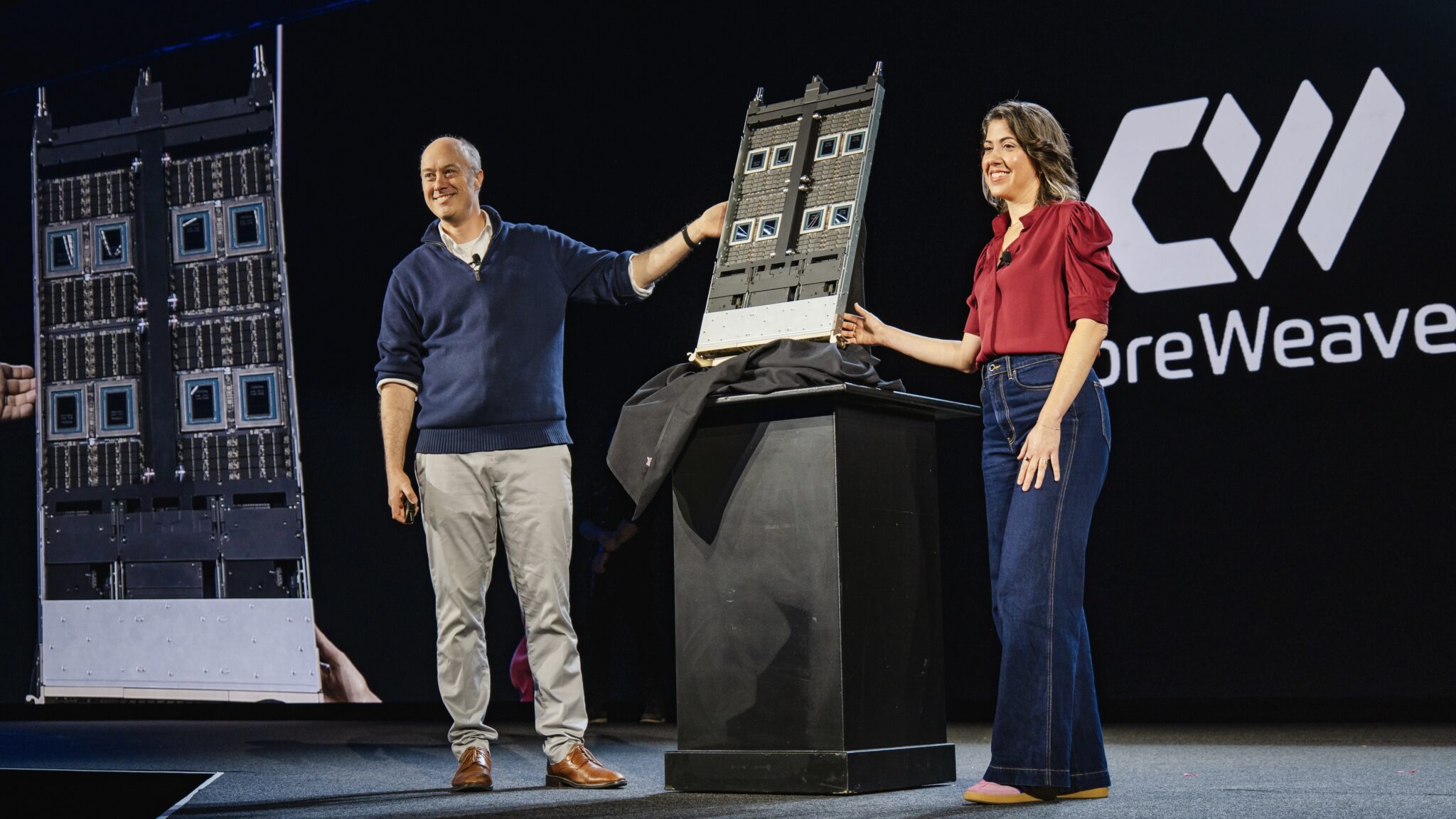
CoreWeave is moving NVIDIA's newest compute, networking and software stack from pilot deployments into full production, betting that agentic AI workloads will drive the next wave of cloud demand.
CoreWeave said this week that it has begun bringing the next generation of NVIDIA infrastructure into full production, a step that moves the two companies' joint work from evaluation and early deployment into live, revenue-generating capacity. The announcement came at CoreWeave Fully Connected, the company's event running in San Francisco, and it extends a partnership the two firms have built over roughly a decade of co-engineering. The near-term target is agentic AI — systems that plan, call tools and run multi-step tasks rather than answering a single prompt.
The pitch rests on a simple claim: the stack is still paying off across several hardware generations. CoreWeave has assembled NVIDIA compute, networking and software into a cloud built specifically for AI, and the company says that investment has continued to return as deployments have cycled through multiple generations of gear. That matters because AI clouds are judged less on peak benchmark numbers than on whether yesterday's cluster still earns its keep while tomorrow's is being installed.
Agentic workloads put unusual pressure on that architecture. An agent that chains dozens of model calls, retrieves context and executes code spends far more time in orchestration and memory movement than a single inference request does, and the failure modes are different — a slow link or an under-provisioned interconnect shows up as a stalled task rather than a slow answer. NVIDIA's networking portfolio, including its high-speed interconnects, and its inference software stack are the pieces CoreWeave is leaning on to keep those chains moving at production scale.
The framing is also a competitive statement. CoreWeave operates in a crowded field of GPU clouds, and hyperscalers are selling the same NVIDIA silicon with their own orchestration layers on top. By tying its roadmap tightly to NVIDIA's release cadence — and by advertising production readiness rather than capacity announcements — CoreWeave is arguing that specialization, not scale alone, is what shortens the gap between a model finishing training and an agent serving real traffic.
What the companies did not say is as telling as what they did. No figures were disclosed at the event for how much capacity is live, which specific NVIDIA systems are in production, or when broader availability opens to customers. Those details will determine whether this is a genuine inflection point for agentic AI deployments or another well-timed marketing beat, and the next few quarters of customer results should settle it.