ChatGPT's Ad Collector Tracks Users Across Other Websites, Report Finds
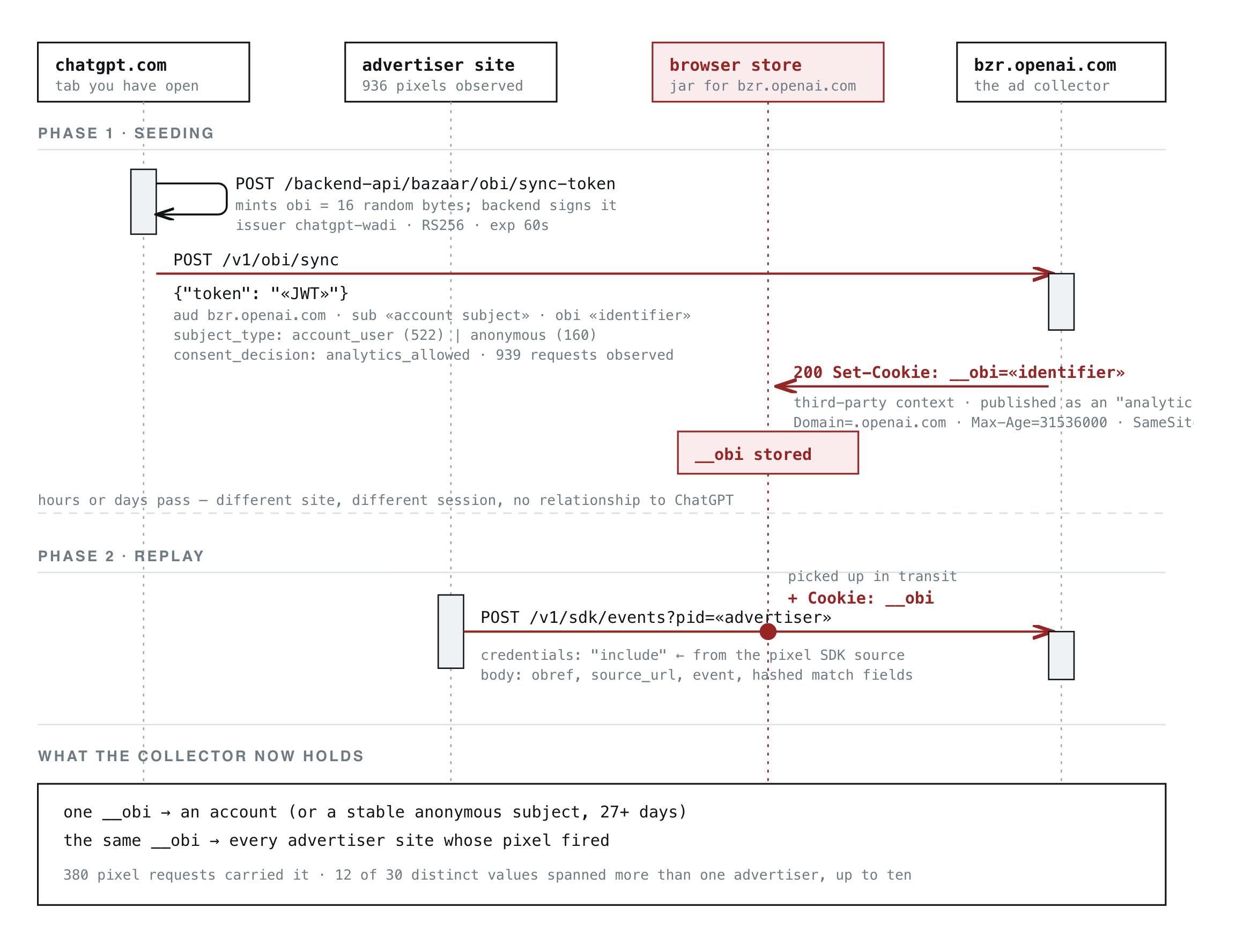
A report by Buchodi says OpenAI's chatbot ingests behavioral data collected by advertising trackers, giving it a view of users that extends past the chat window.
OpenAI's ChatGPT is receiving behavioral data about what users do on other websites, according to a report published by Buchodi, routed through an advertising data collector rather than through anything typed into the chat box. The report says the arrangement gives the chatbot a picture of user activity that reaches well beyond individual conversations. OpenAI has not issued a detailed public response to the findings, and the exact scope of the data involved remains disputed.
The mechanism at the center of the claim is ad technology, not the model itself. Advertising data collectors assemble behavioral signals — pages viewed, links clicked, time spent on a site — and license or share those segments with partners. If ChatGPT sits among those partners, a conversation about a mortgage or a medical symptom could be shaped by browsing that happened somewhere else entirely, with the user never drawing a line between the two. That is a materially different privacy posture from an assistant that only recalls what you tell it directly.
Key specifics are still missing. The report does not fully establish which data categories are involved, how long they are retained, or whether the information feeds model training or is used only for ad targeting. Those gaps matter because the answers determine whether the story is about advertising or about training data, two problems with different regulatory and technical consequences. OpenAI's silence so far leaves the pipeline's actual design unconfirmed.
The disclosure question is likely to become the flashpoint. Because the data flows through ad tech, the tracking may fall under consent and disclosure language buried in a privacy policy rather than under anything specific to the chatbot, according to the report. Commenters who assumed chat sessions marked the outer edge of what OpenAI held pushed back hard on that framing. The practical advice circulating — check ad personalization settings, browser-level tracking protections, and account controls tied to the service — comes with an admission that it is unclear how much of the pipeline those switches actually cut.
The timing puts OpenAI in uncomfortable company. Consumer AI assistants face mounting scrutiny over data handling, while advertising remains the obvious way to fund free tiers. Google, Meta and Amazon all built their ad businesses on cross-site tracking, and regulators in the EU and the United States have spent years forcing changes to that model. An assistant that inherits those practices inherits the same legal exposure, at a moment when AI companies are already answering questions about training data and retention.
What to watch next is whether OpenAI confirms the arrangement and publishes specifics, or lets the report stand unanswered. The larger question is whether an assistant product can be funded by advertising without turning every conversation into a profile — and whether users get a real way to opt out if it can't.