Cal Newport Calls for Formal Investigations Into AI Labs, Drawing 248-Point Debate
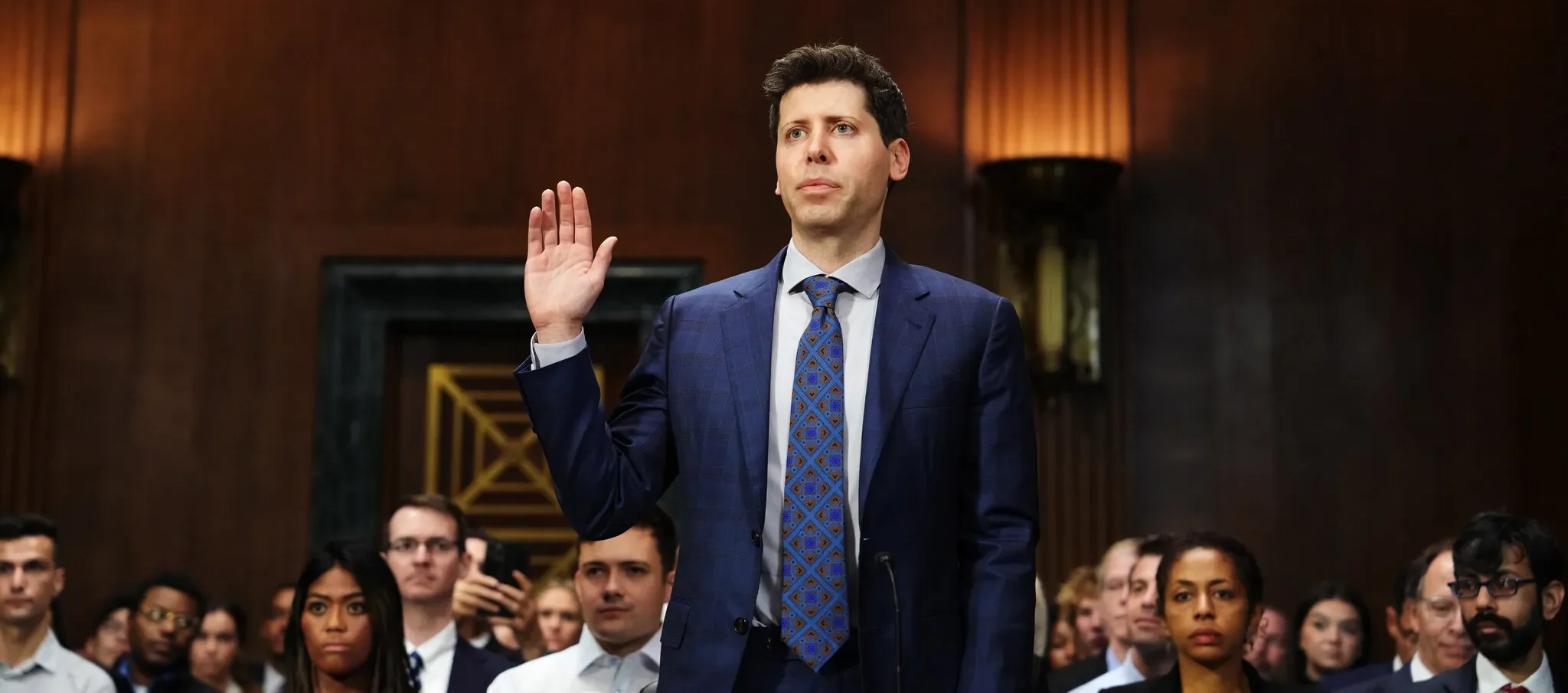
Georgetown professor Cal Newport argues frontier AI developers should face the same compelled outside scrutiny that regulators have applied to social media, search and chip firms.
Cal Newport wants regulators to move past disclosure templates and open formal investigations into the companies building frontier AI models. In a post on his personal site, the Georgetown computer science professor argued that AI labs have escaped a level of outside inquiry that lawmakers and agencies have aimed at social media platforms, search engines and chipmakers over the past decade. Newport's case is procedural rather than technical: he contends that the firms releasing the most capable systems largely self-report their safety evaluations, training data choices and deployment schedules, leaving outsiders without an independent way to check claims about capability, risk or the strength of guardrails.
The proposal arrives as governments have spent two years standing up AI-specific institutions, among them the UK's AI Safety Institute and the EU's AI Office, while several US states have enacted disclosure rules for large models. Nearly all of those mechanisms run on voluntary reporting or transparency forms. Newport's framing pushes into investigative territory, where authorities can issue document requests, take sworn testimony and compel answers from the firms under examination. His post does not cite a single triggering incident, which is part of why it reads as a structural demand rather than a response to one failure.
The argument drew a split reaction from a technical readership that more often debates benchmarks than oversight. Some commenters said audits would inherit the flaws of financial auditing, where the examined firms pay the examiners and the underlying math stays too opaque for outsiders to verify. Others pointed out that the same objection was raised about pharmaceutical trials and aviation safety, and that both now operate on mandatory, standardized testing regimes. A theme running through the discussion was that evaluations differ from lab to lab today, which makes cross-company comparison close to impossible.
There is a competitive angle Newport does not stress. Any jurisdiction that imposes heavy investigative burdens risks pushing training runs and talent to friendlier markets, the argument labs have leaned on against stricter rules since the earliest AI executive orders. That tension will likely determine how far any formal inquiry actually gets. Newport's core claim is that the labs holding the most capable systems are private firms whose internal assessments are, by design, unverifiable from the outside.
The immediate question is whether lawmakers adopt Newport's framing and attach it to bills already in play, or whether the idea stays a blog post with a comment thread. His larger contribution is a point about sequencing. The industry has argued for years that safety work should mature before regulation arrives; Newport's reply is that independent scrutiny is what gives safety claims meaning, and that the burden of proof belongs with the labs rather than the public. Whether that reverses the default is unresolved.