Authors Guild Filing Claims OpenAI Execs Knew Book Piracy Was Illegal, Worried About Hacker News
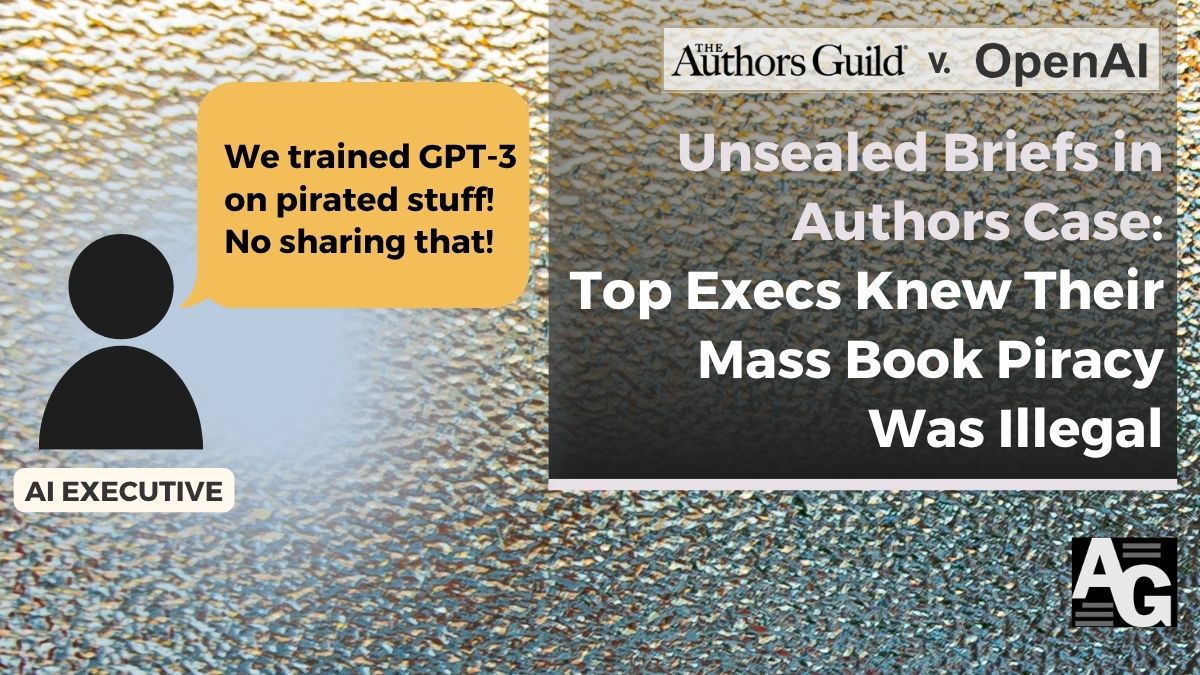
A newly surfaced Authors Guild post says OpenAI leadership understood that training on pirated books was unlawful and weighed how the disclosure would play on Hacker News.
The Authors Guild is pressing its copyright case against OpenAI with a claim that company executives knew mass book piracy was illegal and discussed how the practice would be received if it became public. The allegation, published by the Guild and circulating on Hacker News, centers on internal awareness rather than a technical dispute over model training. The post has drawn more than 130 points and roughly 90 comments on Hacker News, a sign the story is landing with the developer audience OpenAI itself reportedly worried about.
According to the Guild's account, senior OpenAI figures were not in the dark about where training data came from. The filing describes discussions in which leadership weighed the reputational fallout of using books obtained through piracy, including how the story would look on Hacker News. That detail matters because it goes to intent, the element plaintiffs must establish to move beyond ordinary infringement claims toward willful misconduct. Willfulness can influence damages and shape settlement leverage in a case that already carries billions of dollars in potential exposure.
The Authors Guild has been one of the most persistent organized opponents of unlicensed AI training. Its members include thousands of published authors, and the organization has pushed both litigation and policy proposals requiring consent and compensation for works used in model development. OpenAI has consistently maintained that its training practices fall within fair use and that it builds on publicly available material. The two positions have not narrowed, and the discovery process is now surfacing the internal messages that both sides will use to argue about what the company understood at the time.
The Hacker News thread reflects a second front in the dispute: engineering culture. Developers on the site debated whether scraping books was an open secret across the industry, and whether the optics concern described in the filing is evidence of guilt or simply normal corporate caution. Several commenters noted that similar questions hang over other model developers, not just OpenAI. That framing could matter beyond this single lawsuit, because courts are beginning to treat training-data provenance as a central question rather than a side issue.
What to watch next is how OpenAI responds on the record. The company has not confirmed the specific internal discussions described by the Authors Guild, and the filing is one side's characterization of documents that may be contested in court. If the messages are authenticated and entered as evidence, they could strengthen the plaintiffs' willfulness argument and raise pressure for a licensing deal. If they are dismissed as cherry-picked, the case returns to the slower fight over fair use that has defined AI copyright litigation so far.
Either way, the episode sharpens a question the industry has dodged: how much did the people building these models know about the data underneath them, and when did they know it. The answer will shape not just OpenAI's legal risk but the terms every developer eventually pays for training material.