Australian Tutoring Firm Tells Parents to Skip Its Services and Use AI Instead
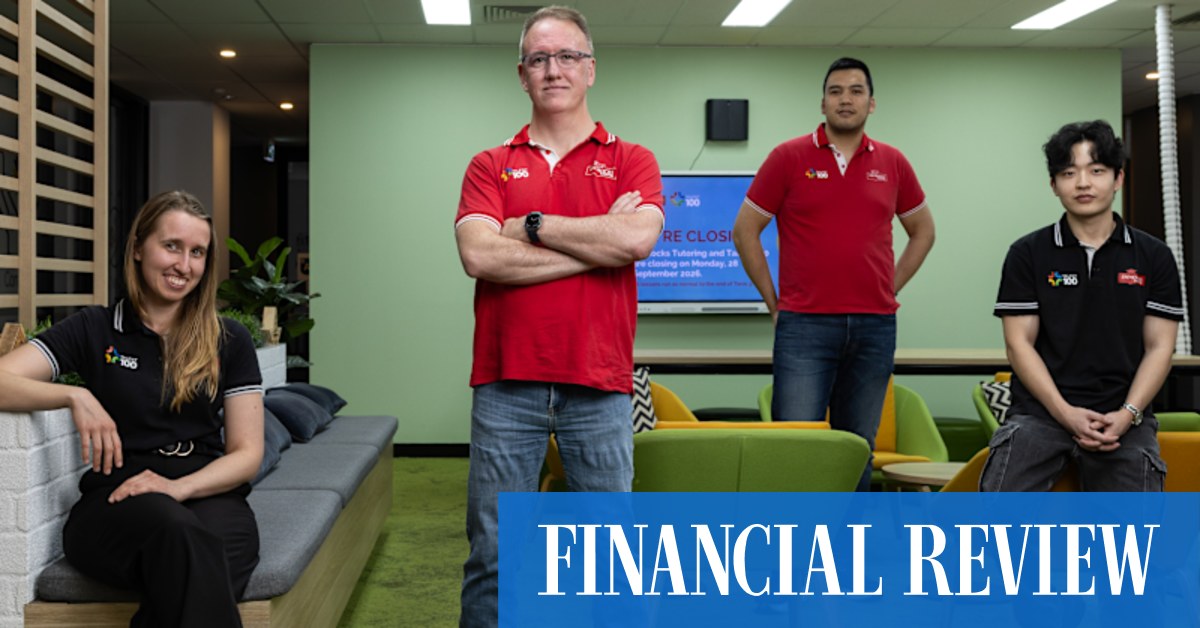
An Australian tutoring company has advised parents that AI tools may substitute for paid human instruction, a rare case of a vendor talking its own customers out of buying.
An Australian tutoring company has told parents they might get better value by keeping their money and using AI tools rather than paying for a human tutor, according to a report in the Australian Financial Review. The advice is unusual coming from a business whose revenue depends on selling exactly that service. The AFR placed the story in its health and education policy coverage, framing the recommendation around household cost.
Tutoring has become a serious line item for Australian families. Hourly rates in the major cities run from the tens into the low hundreds of dollars, varying with subject and year level, and the cumulative bill across a school year is enough to push parents to look for alternatives. That price pressure is the ground on which any AI-substitution argument now gets made.
The reaction split along lines that have become familiar. Some readers argued that large language models already handle routine homework help, drill exercises and exam-style practice well enough to push out low-cost tutoring, especially in maths and standardised test preparation. Others rejected that, pointing out that models still invent explanations, forget a student's specific weaknesses between sessions, and provide none of the accountability or motivational pressure a parent is paying for.
The distinction that matters is between explaining and diagnosing. A chatbot can walk a student through a quadratic equation, and current products do that competently. What they do inconsistently is track why a student keeps repeating the same error and adapt week to week; what they do barely at all is keep a teenager on task when nobody is watching. Those last two jobs are often the real reason a tutor gets hired in the first place.
There is also a commercial reading of the company's candour. Tutoring is crowded and low-margin, with high customer acquisition costs and parents who shop hard on price and results. A firm that publicly concedes AI covers part of the job may be clearing space for higher-value work, such as exam strategy, subject selection, or one-to-one intervention for students already falling behind, rather than hourly homework supervision.
What to watch is whether rival operators adopt similar messaging and whether parents actually act on it. If they do, the first hit lands at the bottom of the market, where casual tutors charge modest rates for routine help. The unanswered question is what evidence the company holds that AI performs the job as well, a claim that is cheap to make and considerably harder to demonstrate.