Appeals Court Upholds Pentagon Ban on Anthropic Over Military AI Safety Limits
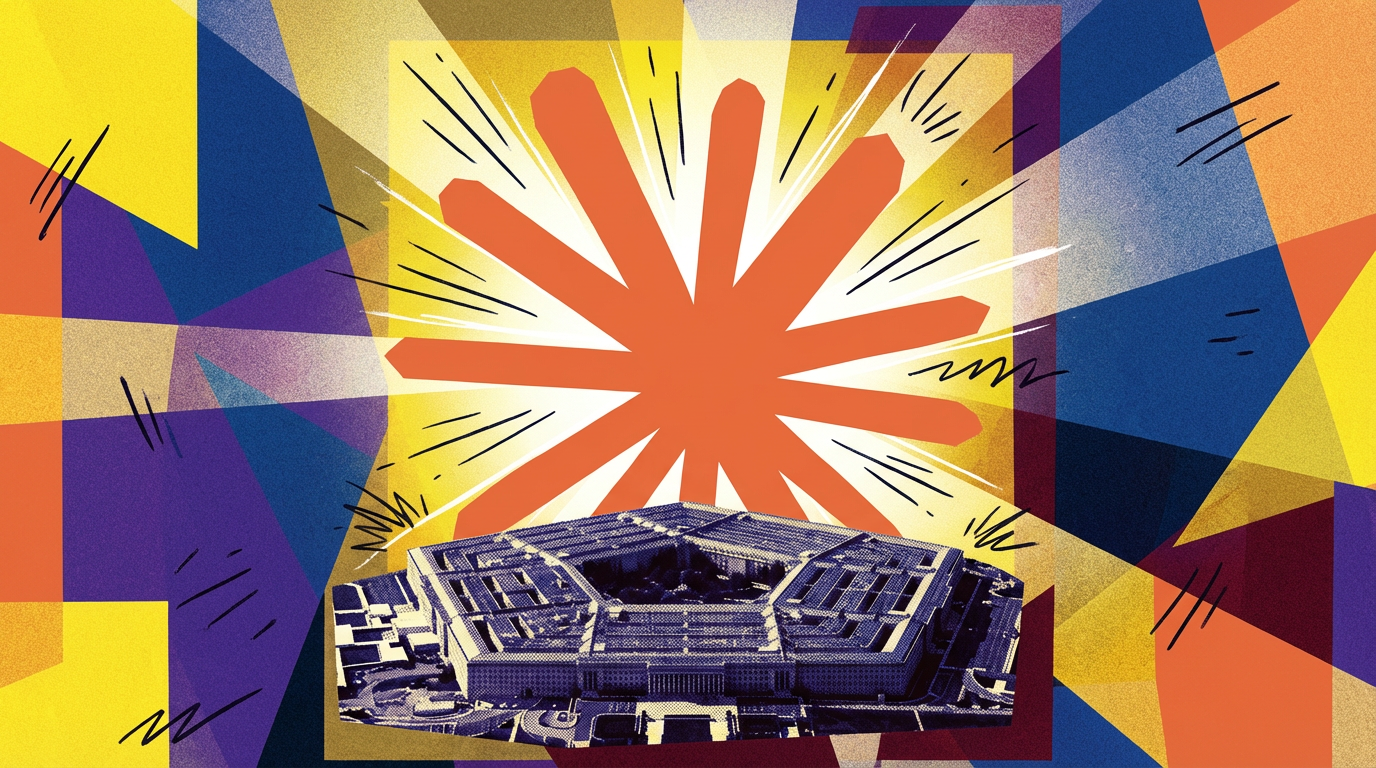
A federal appeals court has ruled the Pentagon can keep Anthropic off military contracts, siding with Defense Secretary Hegseth's claim that the company's safety guardrails pose an operational risk.
A federal appeals court has upheld the Pentagon's decision to bar Anthropic from military contracts, handing the Defense Department a win in its dispute with one of the country's largest AI developers. The ruling, reported by The Decoder, affirms a supply chain risk designation that keeps the Claude maker out of defense work. Defense Secretary Pete Hegseth had argued that Anthropic's internal safety restrictions could interfere with military operations if its models were deployed in the field.
At the center of the case is a conflict between two priorities the Pentagon says cannot coexist: Anthropic's usage policies, which limit how its models can be applied to weapons and surveillance work, and the military's demand for AI tools it can direct without vendor-imposed constraints. Hegseth's position is that a contractor able to refuse or restrict certain uses creates unpredictability in the supply chain, which the department treats as a security concern rather than a commercial one. The court's decision accepts that framing, at least for now.
The financial stakes are significant. Anthropic says the designation has already cost it billions of dollars, a figure that reflects both lost contract revenue and the broader chill of being labeled a supply chain risk by the largest purchaser of AI services in the U.S. government. The company has not said whether it will appeal further or pursue legislative relief, but the ruling leaves it locked out of a defense market that competitors are actively courting.
The decision lands as the Pentagon expands its AI procurement, signing deals with vendors willing to accept fewer restrictions on military applications. That posture puts safety-focused labs in an awkward spot: the same guardrails that differentiate them commercially can disqualify them from the government's biggest budgets. Other AI developers watching the case now have a clearer sense of how the department will treat contractual limits on model behavior.
What happens next depends on whether Anthropic escalates to the Supreme Court or shifts strategy toward civilian and enterprise customers. The ruling also raises a question the appeals court did not settle: how far the Pentagon can go in treating a vendor's ethical policies as a supply chain vulnerability. For now, the government's answer is that it can go far enough to exclude one of the industry's leading labs.