Alibaba Open-Sources Medical AI That Flags Cancer and 150 Other Conditions
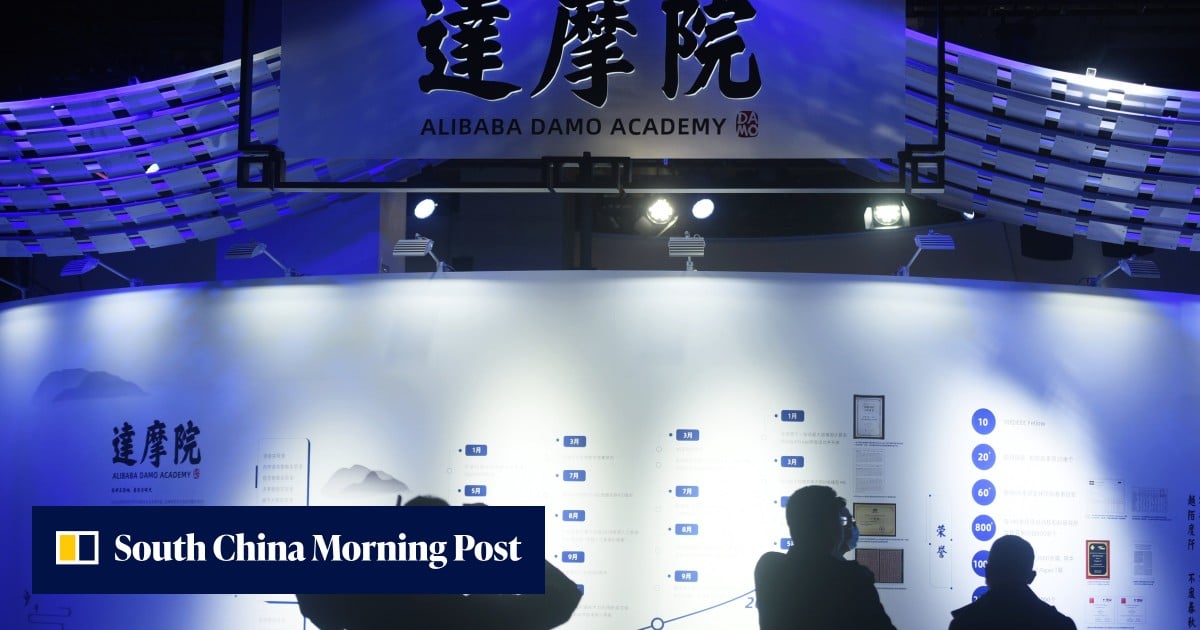
Alibaba has released the weights of a free medical imaging model it says can screen for cancer and nearly 150 other conditions, handing hospitals and researchers a tool it has not put through clinical approval.
Alibaba has published the weights for a medical imaging model that it says can detect cancer and close to 150 other conditions, making the system freely downloadable for outside researchers, hospitals and developers. The release puts a major Chinese technology company's diagnostic tooling into open circulation at no cost. Alibaba is not presenting it as a finished clinical product, but as a foundation others can adapt to their own data and equipment.
The model works on medical imaging — the branch of AI that reads X-rays, CT scans and similar studies and flags patterns a radiologist might miss or take longer to catch. Its stated scope runs well beyond a single tumor type, covering roughly 150 conditions in total. That breadth is unusual for a released medical model, most of which target one organ or one disease and are tuned to a narrow set of scanners.
Open weights matter here for a technical reason. Imaging models tend to lose accuracy when they move from the data they were trained on to a different hospital's machines and patient mix, a problem known as domain shift. Publishing the weights lets academic hospitals and independent labs test the system against their own scans instead of taking Alibaba's word for its performance. Without external validation, published error rates and subgroup breakdowns, the 150-condition figure remains a claim rather than a verified result.
Alibaba is not the first through this door. Google, Microsoft and a string of academic groups have released medical imaging models, and Chinese firms have been especially willing to publish weights as a way to build developer ecosystems around their wider AI stacks. Alibaba's cloud business and its Qwen model family already serve as its calling card to enterprises, and a free medical model fits the same playbook: give away the software, sell the compute and services that run it.
The release also invites scrutiny. A system that claims to detect cancer carries obvious risk if a hospital treats its output as a diagnosis rather than a prompt for human review, and regulators in China and the West have not cleared it for routine clinical use. The practical effect today is access — developers can download the model and run their own tests, a far lower barrier than negotiating a license with a commercial vendor.
What to watch next is whether academic medical centers and independent labs run the model against their own scans and publish what they find. If accuracy holds up outside Alibaba's training data, it becomes a genuine baseline for low-resource clinics that cannot afford commercial imaging software. If it does not, it joins a growing pile of medical models whose reach outran their evidence.