AI Safety Bootcamp for Lawyers and Governance Staff Draws Lessons on Closing the Expertise Gap
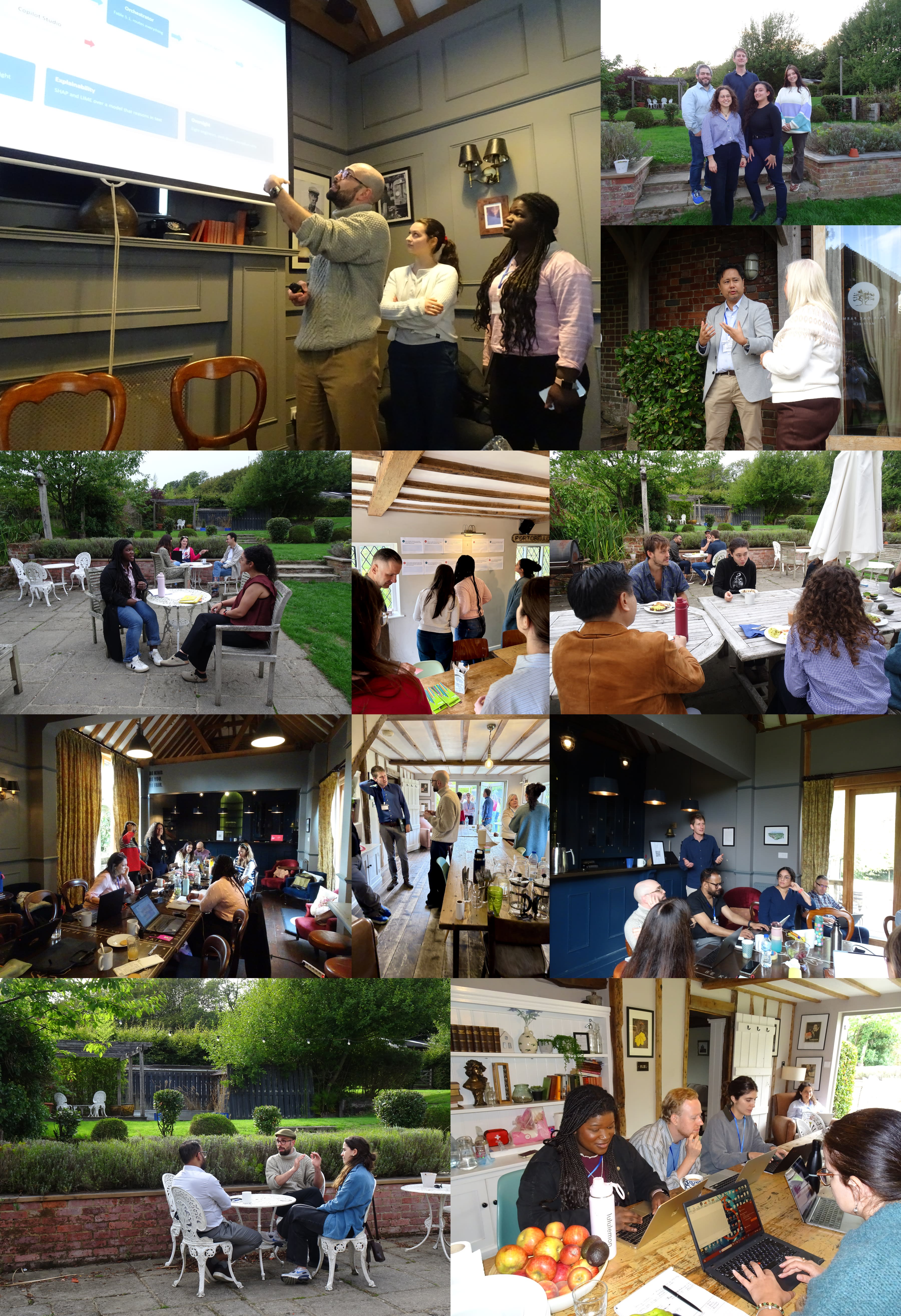
A LessWrong write-up on training legal and governance staff in AI safety finds the sessions that work start from governance artifacts, not machine-learning theory.
A practitioner's account of an AI safety bootcamp designed for lawyers, policy staff, and governance professionals has been circulating among AI practitioners, offering a rare look at how safety concepts land with people who will write the rules for systems they did not build. The write-up, posted on LessWrong and co-authored by one of the bootcamp's leaders, describes which sessions worked and which fell flat when the audience thinks in precedent and procedure rather than loss curves.
The core finding is a mismatch in starting points. Legal and compliance staff arrive with deep domain expertise but weak intuitions about where models actually fail, and the material that stuck was tied to artifacts they already own: model cards, audit trails, escalation policies, and vendor contracts. Sessions built on machine-learning fundamentals lost the room, while exercises framed around decisions a lawyer or risk officer has to make — sign-off on a deployment, a data-retention question, an incident-response plan — got traction.
That framing runs against how most AI safety material is packaged. Standard curricula assume fluency in ML and treat policy as an afterthought, which leaves non-engineers without a working mental model of failure modes like hallucination, prompt injection, or distributional drift. The bootcamp inverted the order, and the author reports it produced better questions from participants even when it did not produce technical depth.
There is a staffing problem underneath the curriculum question. Governments and large enterprises are hiring AI governance specialists faster than universities can supply them, and most of those hires come from law, public policy, or risk rather than computer science. Short intensive programs have become the de facto pipeline into those roles, despite thin evidence about what participants can actually do afterward that they could not do before.
Regulatory pressure is driving the demand. Agencies in the EU, UK, and US are pushing companies toward documented AI risk assessments, which puts legal teams in the position of signing off on model deployments and incident plans without the grounding to validate vendor claims. The bootcamp's honest accounting of what failed is unusual in a field that mostly publishes syllabi and testimonials, and it points to the same unresolved split: whether a week of training yields durable competence or just vocabulary.
What to watch is whether safety training for non-engineers hardens into a standard credential or stays an ad hoc workshop, and how the division of labor between governance staff and technical colleagues settles. For now the account is a working note from the front line rather than a study, and anyone running similar programs would benefit from more reporting on who showed up and what they could do at the end.